Refreshing your home does not always require a large budget or expensive renovations. With a little creativity, smart planning, and a few simple upgrades, you can transform your living space into a more comfortable, stylish, and functional home. Whether you want to update your living room, improve your kitchen, organize your bedroom, or enhance your outdoor area, there are plenty of affordable home improvement ideas to explore.
In this guide, you will discover 35 budget-friendly home improvement ideas that can make a noticeable difference without putting pressure on your wallet. These simple home upgrades focus on paint, lighting, organization, furniture, decoration, and practical improvements. Whether you live in an apartment, a small house, or a family home, these ideas can help you create a fresh and inviting space.
1. Refresh Your Walls With A Fresh Coat Of Paint
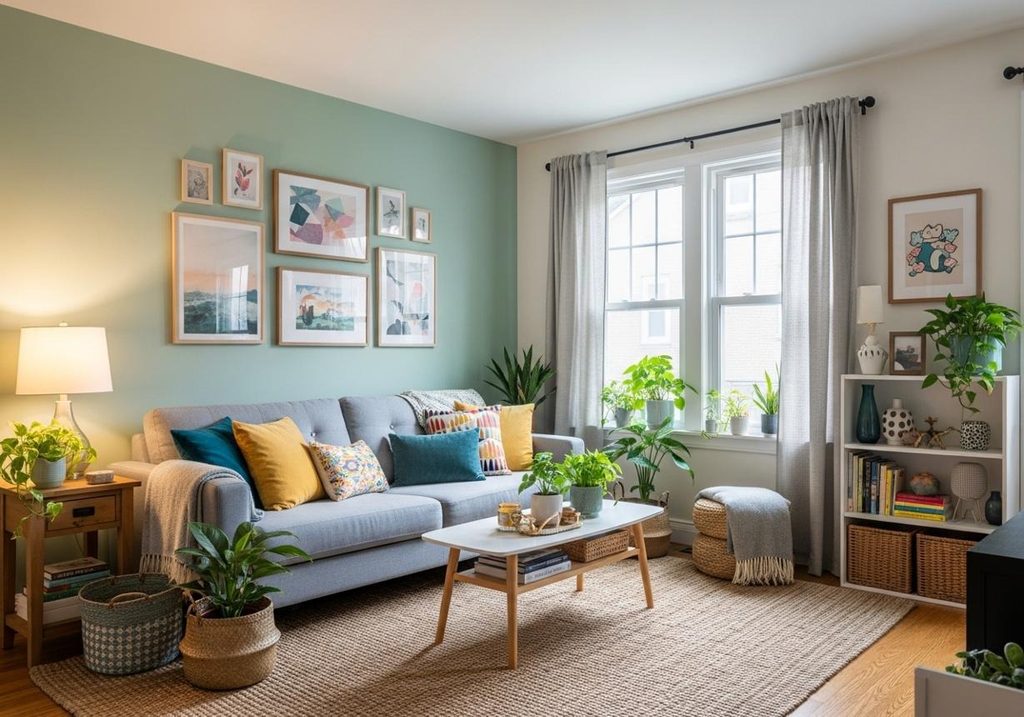
One of the easiest and most affordable home improvement ideas is painting your walls. A fresh coat of paint can instantly change the atmosphere of any room. Choose soft white, warm beige, light gray, or pastel green for a calm and spacious appearance. If you prefer a more dramatic look, paint one wall in a deeper color to create an accent wall. You do not need to paint every room at once. Start with the space that needs the most attention. Preparing the walls and using quality tools can help you achieve a smooth finish while avoiding unnecessary costs.
2. Upgrade Your Cabinet Handles And Knobs
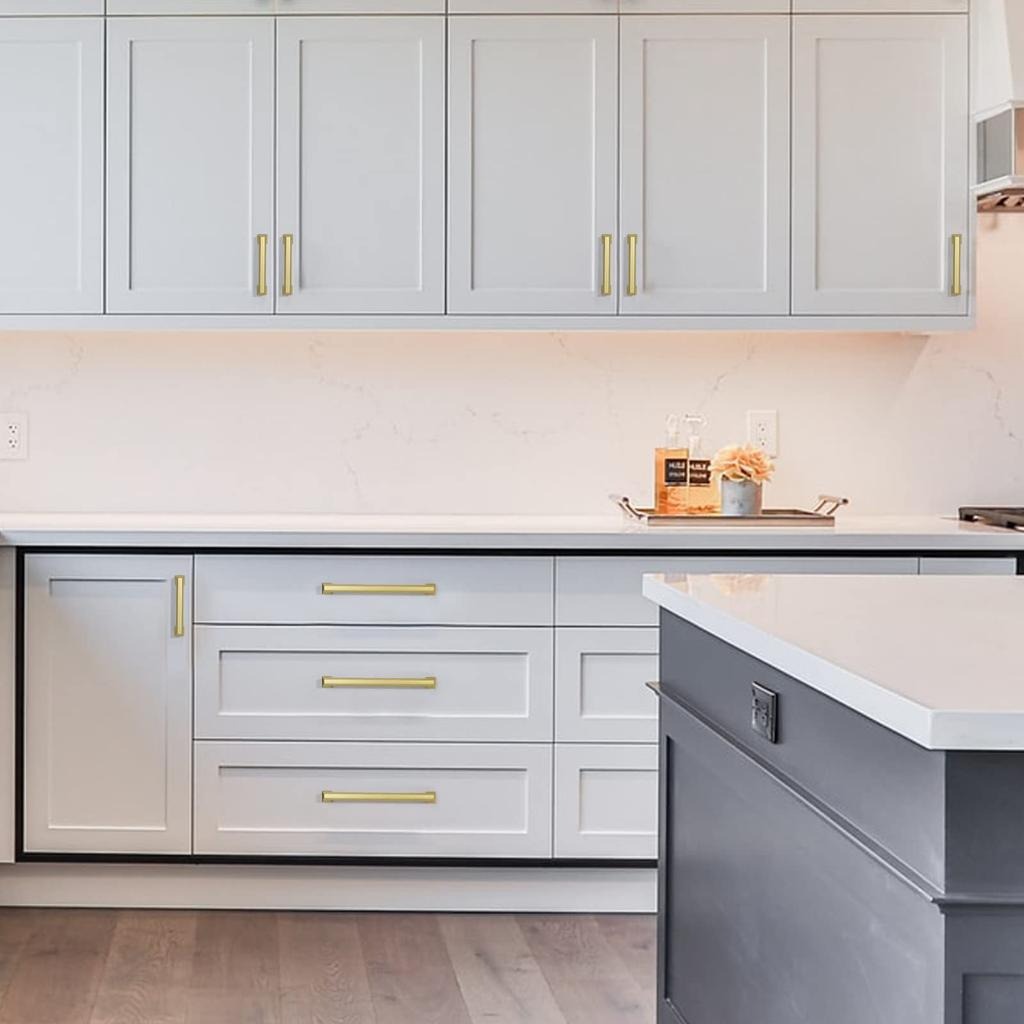
Replacing outdated cabinet handles and drawer knobs is a small change that can give your kitchen, bathroom, or bedroom furniture a modern appearance. Choose finishes such as matte black, brushed brass, chrome, or brushed nickel based on your existing decor. Before purchasing new hardware, measure the distance between screw holes to ensure a proper fit. You can often reuse the existing screws, which makes installation easier. This budget-friendly home upgrade works particularly well when your cabinets are structurally sound but look dated. A consistent hardware style can also make different pieces of furniture feel more coordinated.
3. Create A Stylish DIY Accent Wall
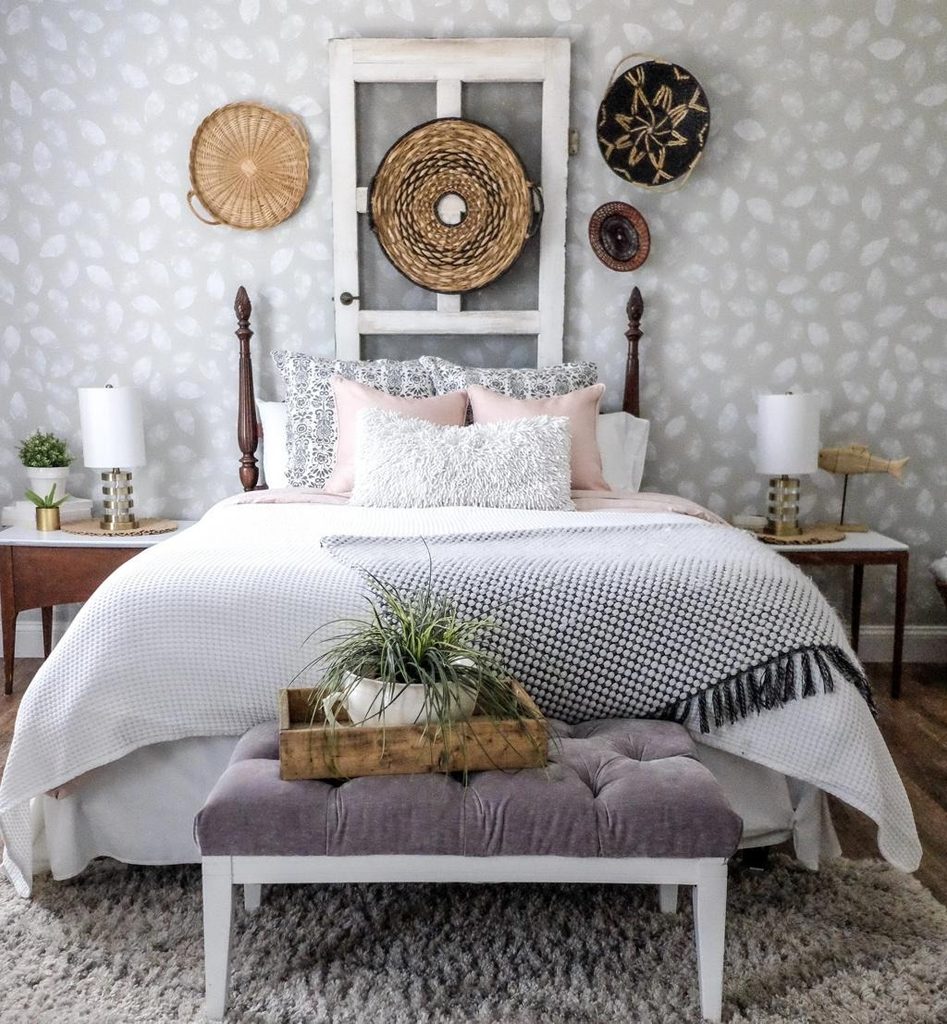
An accent wall can add personality and visual interest without requiring a complete room makeover. You can create one using paint, removable wallpaper, wood-look panels, or simple geometric designs. For an inexpensive approach, use painter’s tape to create stripes, arches, or subtle patterns. Select a color that complements your furniture and existing decoration. An accent wall behind a sofa, bed, or dining table can become the main focal point of the room. Keep the design balanced so the wall enhances the space rather than making it feel crowded.
4. Improve Your Home Lighting
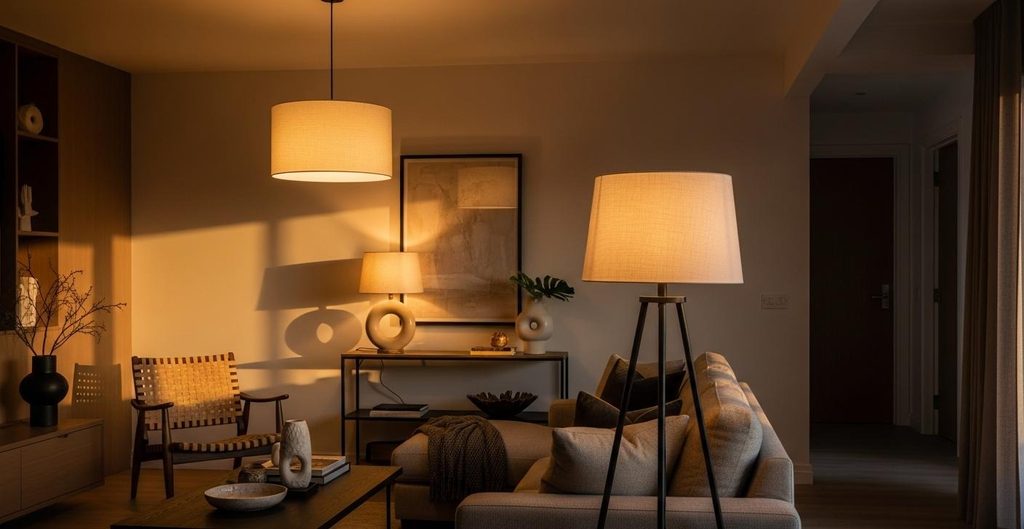
Lighting plays an important role in how your home looks and feels. Replace harsh or outdated bulbs with energy-efficient LED options that provide a comfortable level of brightness. Add a floor lamp, table lamp, or affordable wall light to create layers of illumination. Warm white lighting can make bedrooms and living rooms feel cozy, while brighter neutral lighting may work well in workspaces and kitchens. Use existing electrical fixtures where possible to reduce installation costs. Thoughtful lighting improvements can make ordinary furniture, wall colors, and decorative details look more attractive.
5. Rearrange Your Furniture Layout
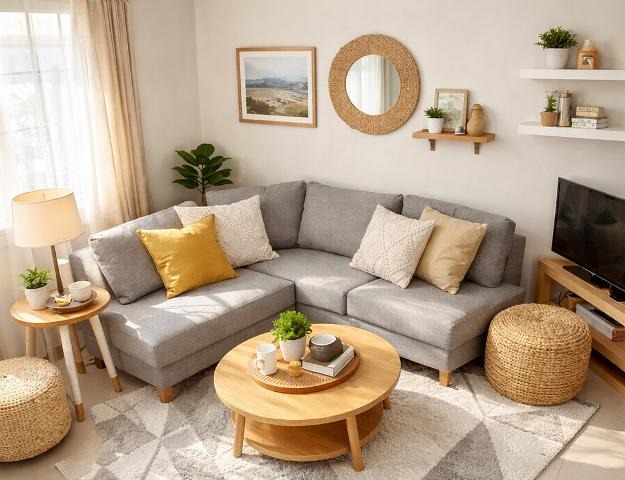
You do not always need new furniture to improve your home. Sometimes, changing the arrangement can make a room feel larger, more comfortable, and easier to use. Move your sofa away from the wall if the space allows, create a clear walking path, and position seating to encourage conversation. Avoid blocking windows or doorways with large furniture. Consider how natural light enters the room throughout the day. Experiment with different layouts before spending money on new pieces. This free home improvement idea can refresh your space immediately while helping you understand which furniture items you actually need.
6. Add Removable Wallpaper
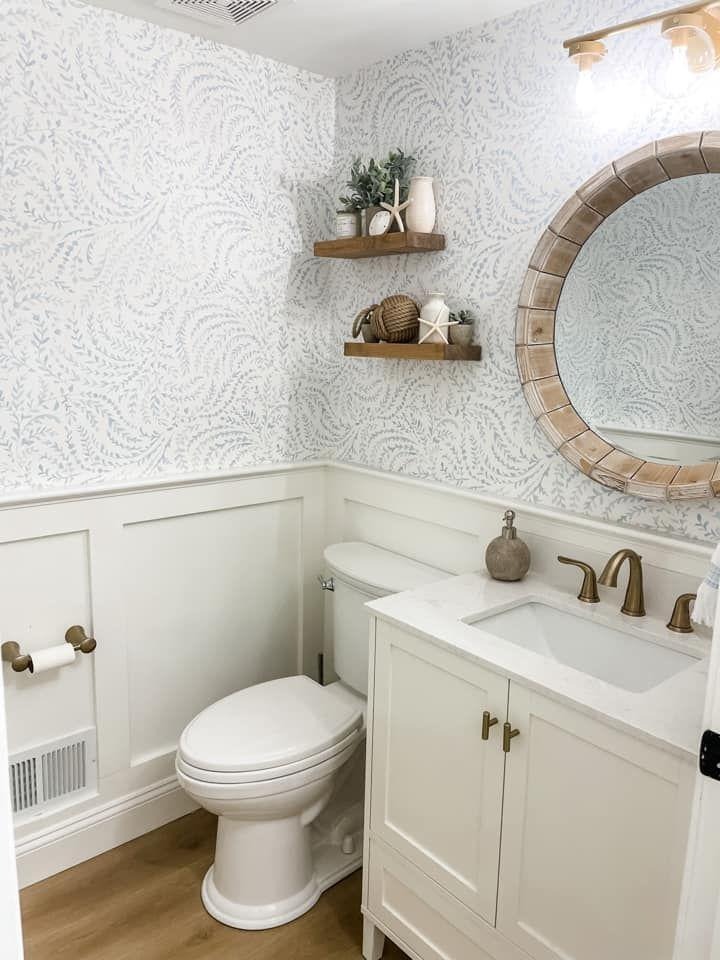
Removable wallpaper is a practical option for renters and homeowners who want a decorative change without committing to permanent renovations. It comes in many patterns, including floral designs, geometric prints, textured finishes, and neutral tones. Use it on one wall, inside a bookshelf, or behind a desk to introduce visual interest. Measure your surface carefully before buying the wallpaper to reduce waste. Follow the manufacturer’s instructions and test the product on a small area if you are concerned about surface damage. A well-chosen pattern can give a room a designer-inspired look at a lower cost.
7. Install Floating Shelves
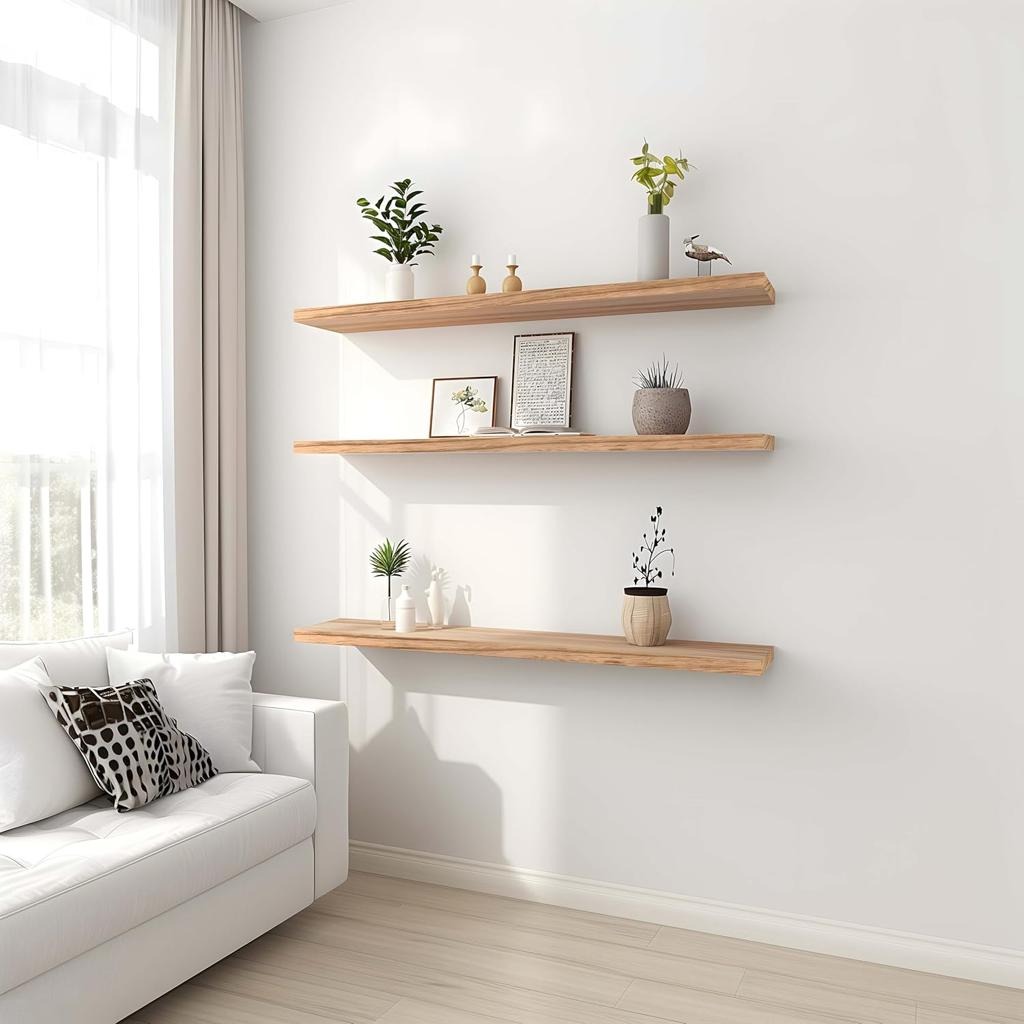
Floating shelves combine decoration and storage, making them useful for small homes and apartments. Install them in a living room, bedroom, kitchen, or hallway to display books, plants, framed photos, and small decorative objects. Choose wood-tone shelves for a warm, natural look or white shelves for a clean, minimalist style. Ensure the mounting hardware is appropriate for your wall type and the weight of the items you plan to store. Avoid overcrowding the shelves. A few carefully arranged objects can create a polished appearance while helping you use vertical wall space efficiently.
8. Update Your Window Treatments
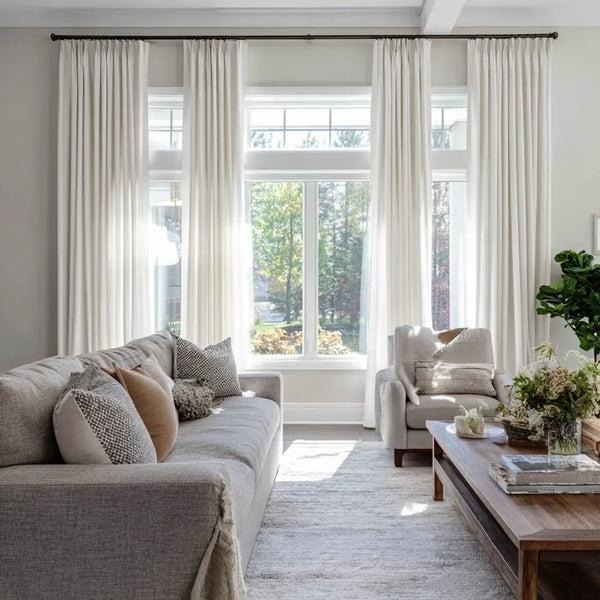
New curtains or updated window shades can make a room feel noticeably fresher. Choose lightweight linen-look curtains for an airy atmosphere or thicker curtains when you need additional privacy and light control. Hanging curtain rods slightly higher and wider than the window frame, when practical, can create a more spacious appearance. Measure your windows before purchasing treatments to avoid sizing mistakes. If your existing curtains are in good condition, wash or steam them and change the curtain rods or tiebacks instead. These simple improvements can enhance both the style and comfort of your home.
9. Upgrade Your Front Door
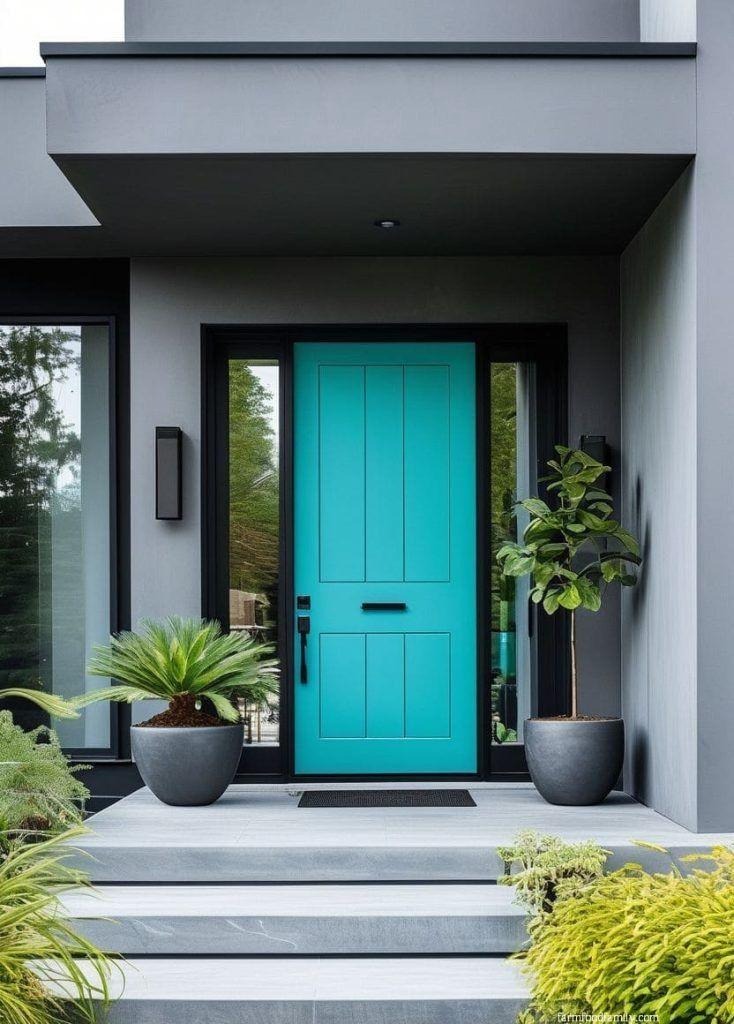
Your front door creates the first impression of your home. A simple improvement, such as repainting the door or replacing its hardware, can make your entrance look more welcoming. Consider colors that complement the exterior, including deep blue, charcoal, muted green, or a warm natural wood tone. Clean the door thoroughly and repair visible damage before painting. You can also add a simple doormat, a seasonal wreath, or a small planter near the entrance. Focus on improvements that suit your home’s existing style and withstand local weather conditions.
10. Create A Cozy Reading Corner
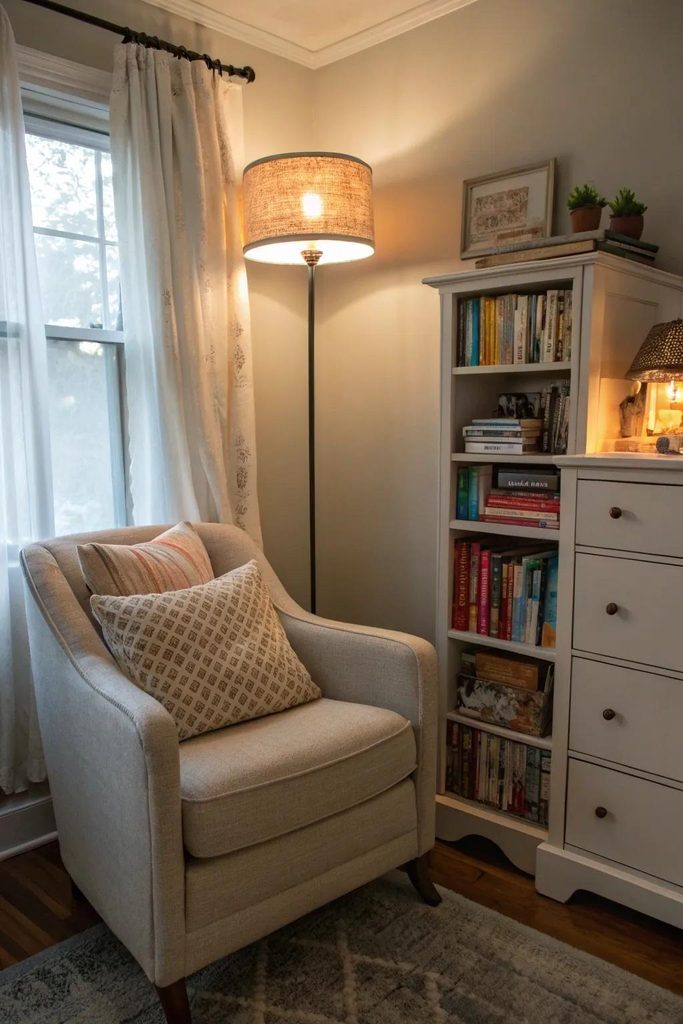
Turn an unused corner into a comfortable reading nook with a few affordable additions. Start with a chair you already own, a soft throw blanket, and a small side table. Add a floor lamp or position the chair near a window for natural light. A compact bookshelf or wall-mounted shelf can keep your favorite books within reach. Choose textiles and accessories that coordinate with the rest of the room. This home improvement project does not require much space or money, but it can create a dedicated area for reading, relaxing, or enjoying a quiet moment.
11. Refresh Your Kitchen Backsplash
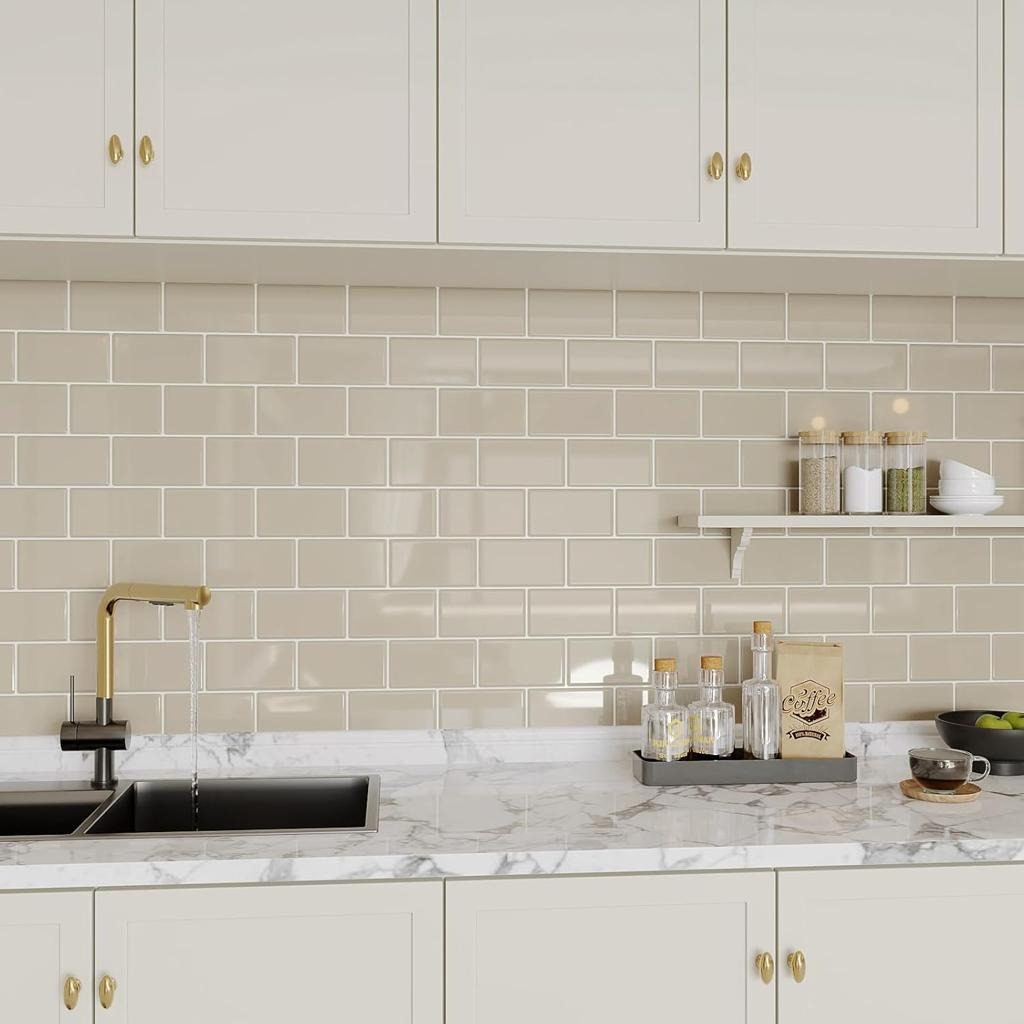
A kitchen backsplash can influence the overall appearance of your cooking space. If your existing backsplash is outdated, consider using removable tiles or backsplash panels designed for your specific kitchen conditions. Neutral patterns, soft subway-style designs, and subtle geometric finishes can create a clean look. Check the product’s heat, moisture, and cleaning limitations before installing it near a stove or sink. For a very low-cost alternative, thoroughly clean the existing backsplash and renew the grout where appropriate. Focus on durable materials in areas exposed to heat and water.
12. Add Indoor Plants
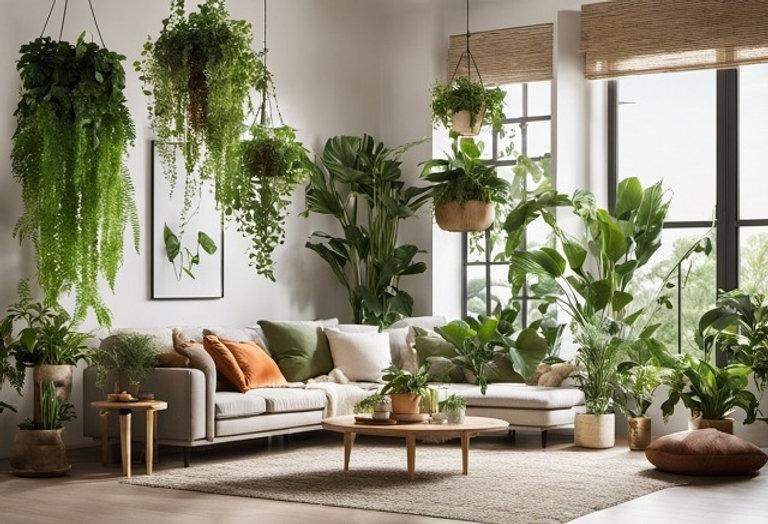
Indoor plants are an easy way to bring natural color and texture into your home. Choose varieties based on the available light, humidity, and time you can dedicate to care. Low-maintenance options may include snake plants, pothos, or certain types of succulents, although every plant still needs suitable conditions. Place plants on shelves, side tables, windowsills, or in empty corners. Use affordable ceramic pots, woven baskets, or repurposed containers with appropriate drainage. Plants can soften the appearance of hard surfaces and make your interior feel more connected to nature.
13. Replace Old Light Switch Plates
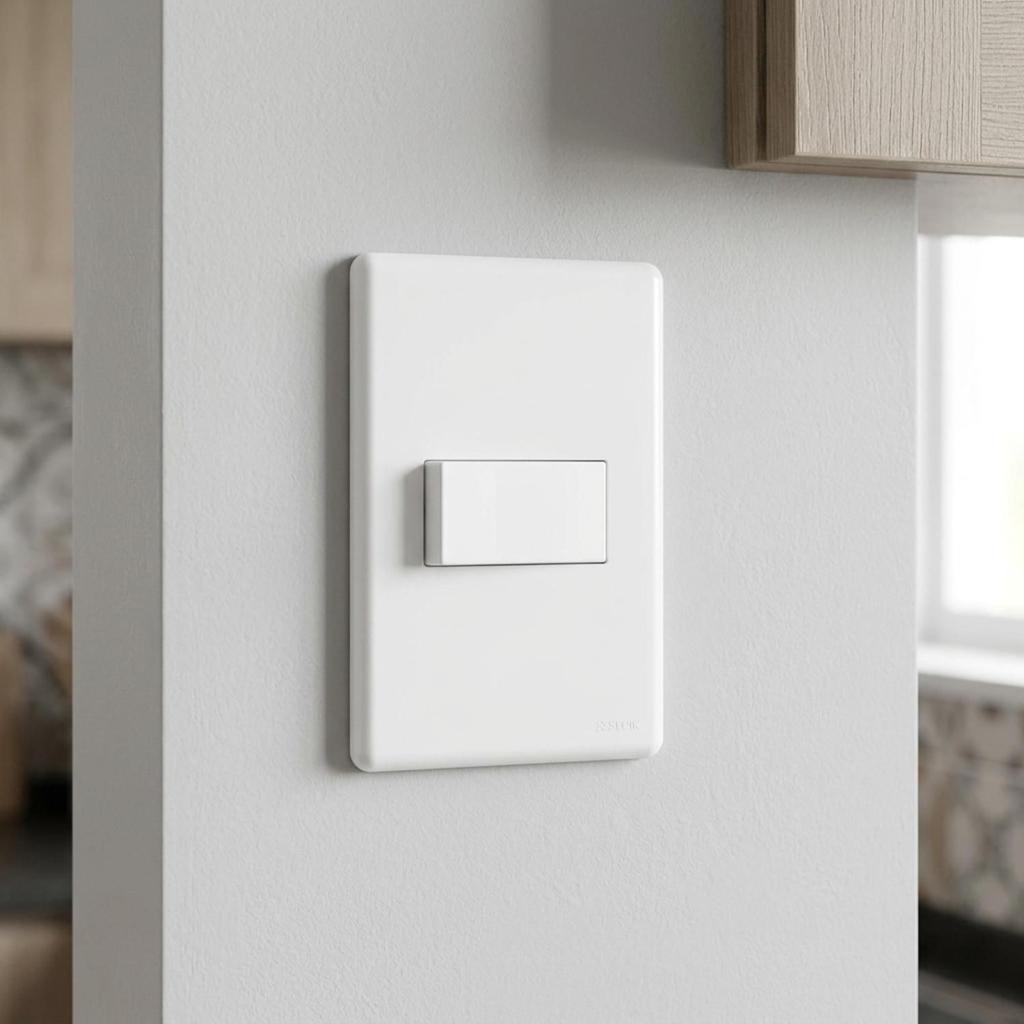
Small details can have a significant impact on your home’s overall appearance. Replacing cracked, discolored, or outdated switch plates and outlet covers can create a cleaner finish. Choose styles that match your wall color and existing hardware. Before working on electrical components, switch off the relevant circuit and follow safe installation practices. If the electrical box or wiring appears damaged, consult a qualified professional rather than attempting an unsafe repair. This simple visual upgrade works well in hallways, bedrooms, living rooms, and home offices where small imperfections are easy to notice.
14. Install A Budget-Friendly Bathroom Mirror

A new mirror can improve both the style and usability of your bathroom. Consider a round mirror for a softer look, a rectangular mirror for a modern appearance, or a framed design for added character. Choose a size that fits the vanity and allows enough clearance around lighting fixtures and other items. If your existing mirror is still functional, consider adding a simple decorative frame that is suitable for humid environments. Proper mounting is essential, especially for larger mirrors. A well-positioned mirror can also help reflect light and make a small bathroom feel more open.
15. Declutter And Organize Your Entryway

An organized entryway makes your home feel more welcoming and reduces everyday clutter. Start by removing items that do not belong near the entrance. Add wall hooks for bags and coats, a basket for small accessories, or a compact shoe rack if you have enough space. A narrow bench with hidden storage can provide seating while keeping footwear organized. Use labels or dedicated storage containers to make daily routines easier. Choose solutions that fit the available floor area and do not obstruct doors or walking paths. A tidy entryway can improve the function of your entire home.
16. Give Old Furniture A New Finish
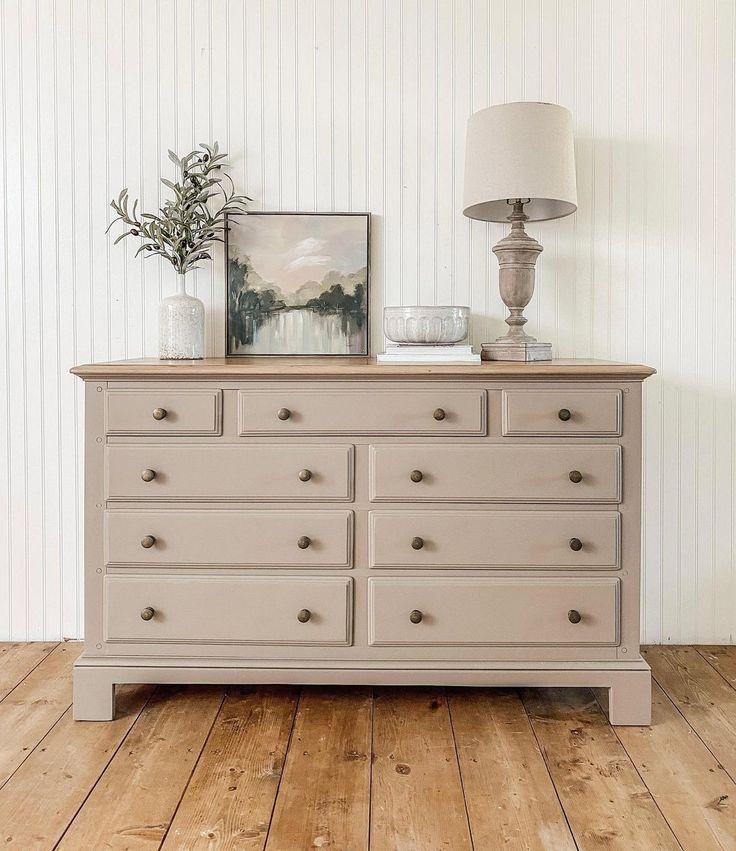
Instead of replacing worn-looking furniture, consider giving it a new finish. A wooden side table, dresser, or bookshelf may look completely different after careful cleaning, sanding, and painting. Choose a paint or finish that is compatible with the furniture’s material and intended use. Repair loose joints and damaged surfaces before applying a new coating. You can keep the original wood appearance with a suitable refinishing product or create a modern style with a fresh color. Reusing existing furniture reduces waste and can be an affordable way to personalize your home.
17. Create A Gallery Wall

A gallery wall can transform an empty wall into a personalized decorative feature. Use family photos, artwork, printable designs, or inexpensive framed illustrations to create a collection that reflects your taste. Before hanging anything, arrange the frames on the floor to test the spacing and layout. You can use a symmetrical grid for a structured appearance or a varied arrangement for a more relaxed look. Choose frames that share a color or material to create visual consistency. Make sure artwork is securely mounted and positioned at a comfortable viewing height.
18. Upgrade Your Bedroom Bedding
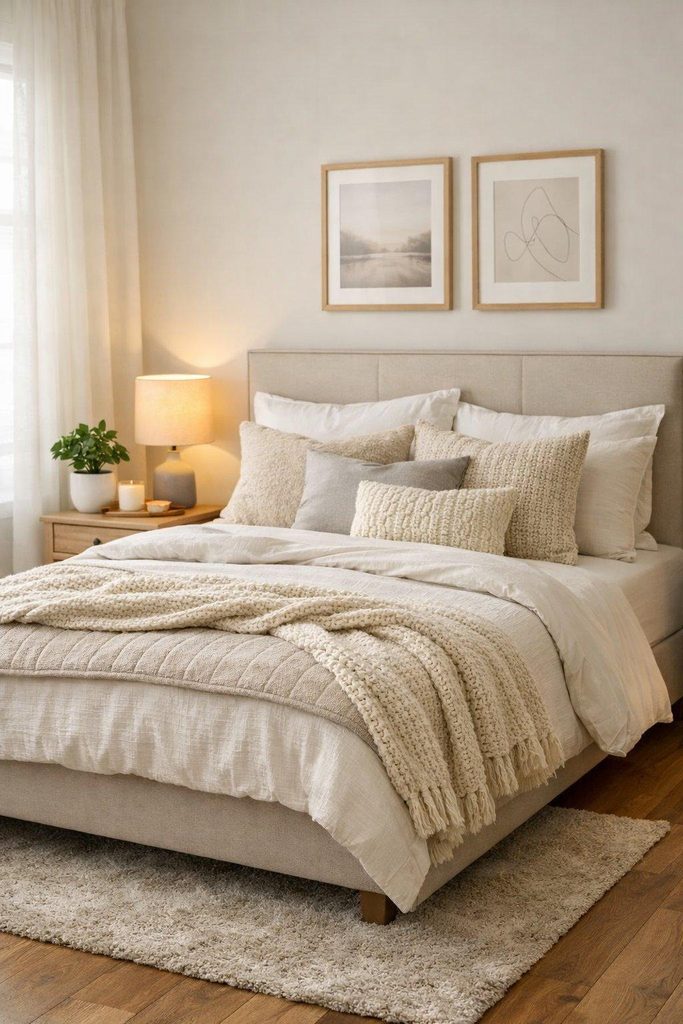
Changing your bedding is a simple way to refresh your bedroom without purchasing new furniture. Choose comfortable sheets, a duvet cover, or a bedspread in colors that complement your walls and existing decor. Layering a few pillows and a lightweight throw can create a cozy, inviting appearance. Prioritize fabrics that suit your climate and personal comfort. You do not need to replace everything at once. Start with one visible item, such as a duvet cover or decorative pillowcases. A coordinated bedding palette can make your bedroom feel more organized and relaxing.
19. Improve Your Closet Organization
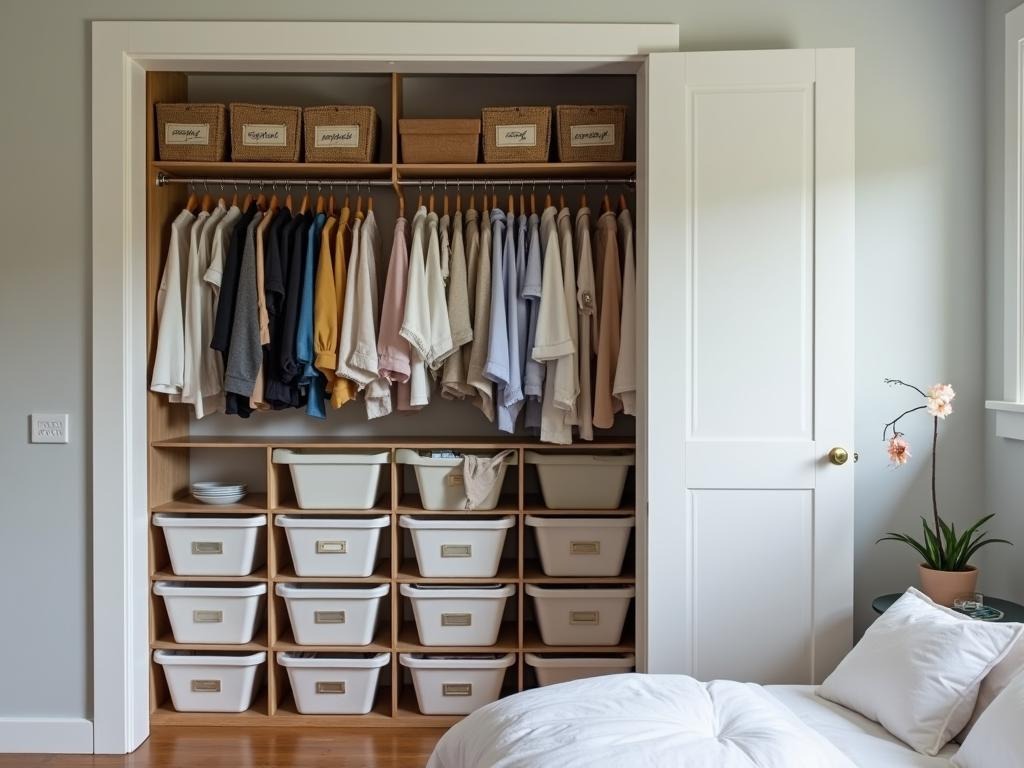
An organized closet makes it easier to find clothing and use available space. Begin by sorting items you no longer wear, then group your belongings by category or frequency of use. Add matching hangers, storage bins, shelf dividers, or hanging organizers when necessary. Use vertical space for less frequently used items, but avoid overloading shelves or rods. Label storage containers so you can locate things quickly. Work with the dimensions of your existing closet rather than buying organizers that do not fit. A practical organization system can improve your daily routine without requiring a costly renovation.
20. Add A Decorative Area Rug
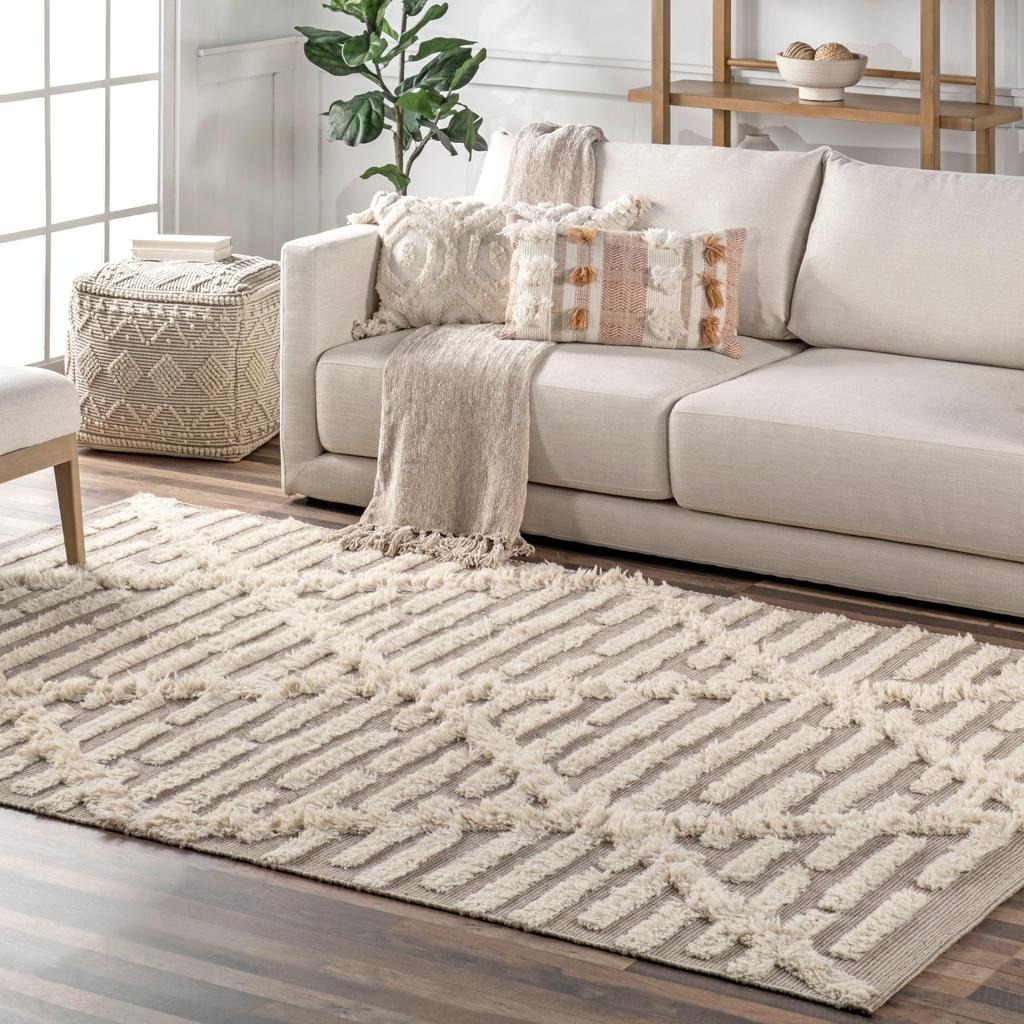
An area rug can introduce warmth, texture, and visual definition to a room. It can help establish a seating area in an open-plan living space or add comfort beside a bed. Choose a size that suits the room’s layout and furniture arrangement. Low-pile rugs may be easier to maintain in high-traffic areas, while softer textures can work well in bedrooms. Look for washable or easy-care options when practical. Use appropriate non-slip backing or a rug pad to reduce movement and improve safety. A well-selected rug can make a room feel more complete.
21. Install Under-Cabinet Kitchen Lighting
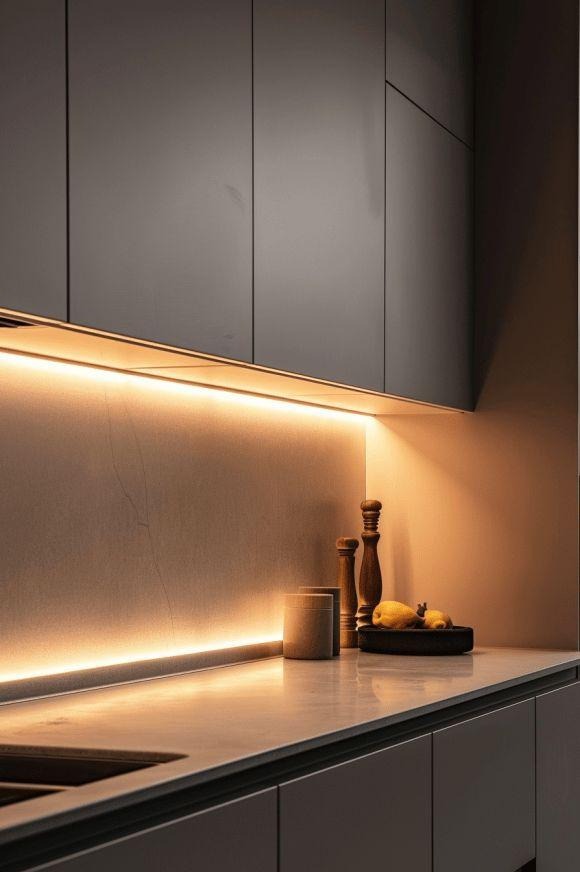
Under-cabinet lighting can improve both the appearance and functionality of your kitchen. Battery-powered or plug-in LED lights may offer a simple option when compatible with your layout. They illuminate countertop areas that can otherwise be shadowed by overhead cabinets. Choose lights with suitable brightness and a color temperature that works with your existing fixtures. Follow the installation instructions carefully and keep electrical components away from water. Before buying, check whether the lights require batteries, charging, or a nearby outlet. This practical upgrade can make everyday food preparation more comfortable.
22. Refresh Your Bathroom With New Accessories
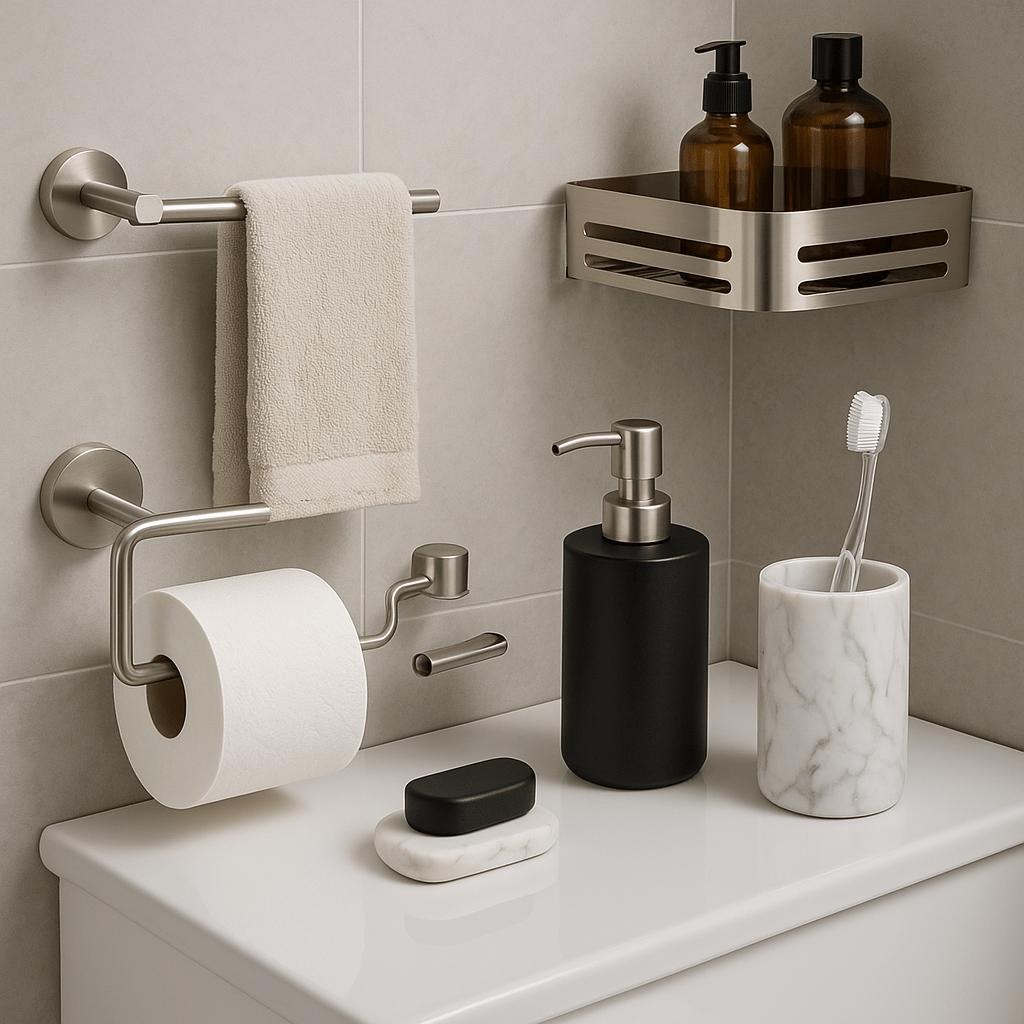
You can refresh a bathroom by replacing small accessories instead of changing major fixtures. Consider a new shower curtain, matching soap dispenser, towel hooks, bath mat, or storage basket. Select a consistent color palette to create a more cohesive look. Choose materials that are appropriate for humid environments and easy to clean. If your bathroom is small, avoid adding too many decorative items that reduce usable space. Focus on accessories that combine style with everyday function. Even a few coordinated changes can make an older bathroom feel more polished and organized.
23. Make A DIY Coffee Station
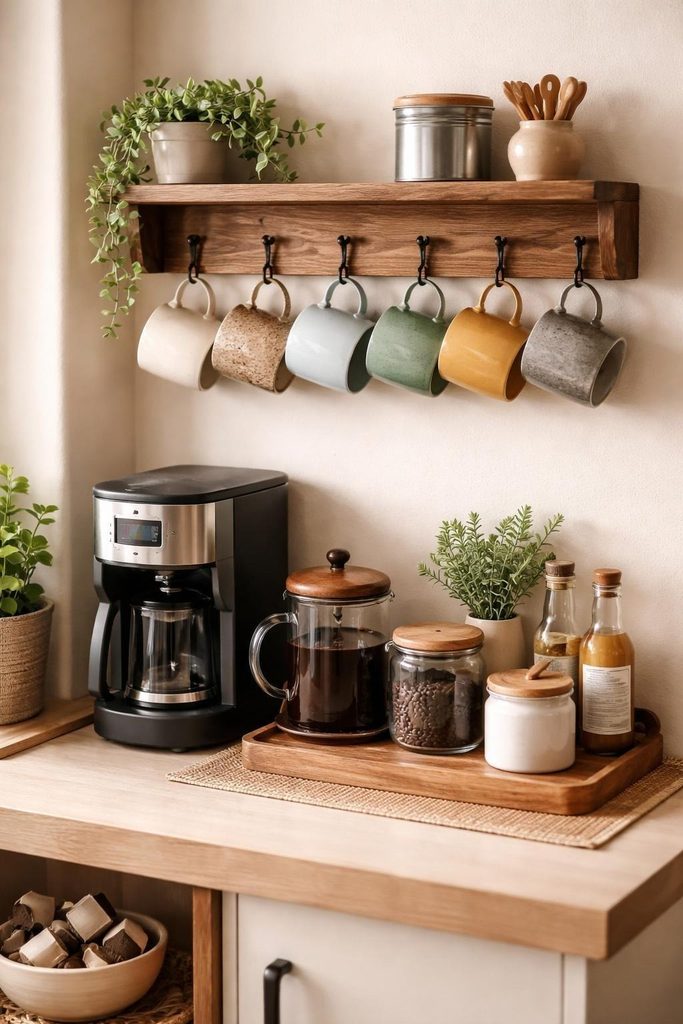
A dedicated coffee station can add personality and convenience to your kitchen or dining area. Use a small section of countertop, a compact cart, or a sturdy shelf to organize your coffee maker, mugs, and supplies. Add a tray to keep small items together and a container for coffee beans or tea. Make sure the setup is placed near a suitable power outlet and away from areas where water could create hazards. You can decorate the space with a small sign, a plant, or a simple framed print. This project creates a functional corner without requiring a full kitchen remodel.
24. Update Your Staircase Appearance
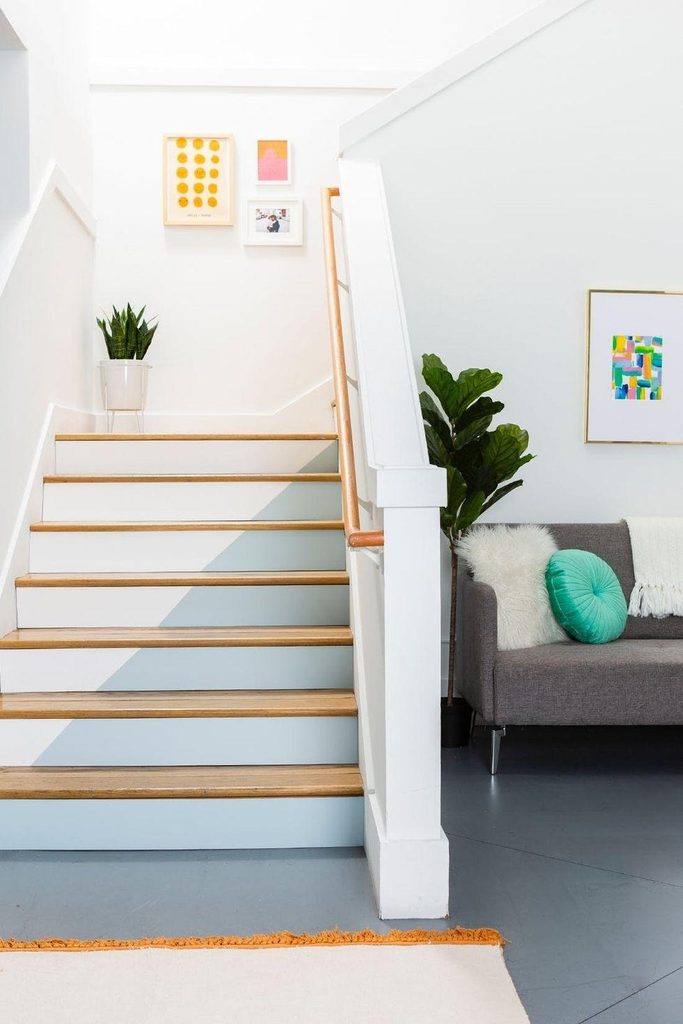
A staircase can become a noticeable feature of your home with a few carefully planned improvements. Clean the steps, repair minor cosmetic damage, and consider updating the handrail finish if appropriate. You can also refresh compatible stair risers with paint or add a suitable runner for comfort and visual appeal. Safety should come first: do not use slippery materials or finishes that reduce traction. Check that railings are secure and that any changes comply with applicable safety requirements. Even a modest staircase update can make a hallway or entryway feel more finished.
25. Add Mirrors To Reflect Light
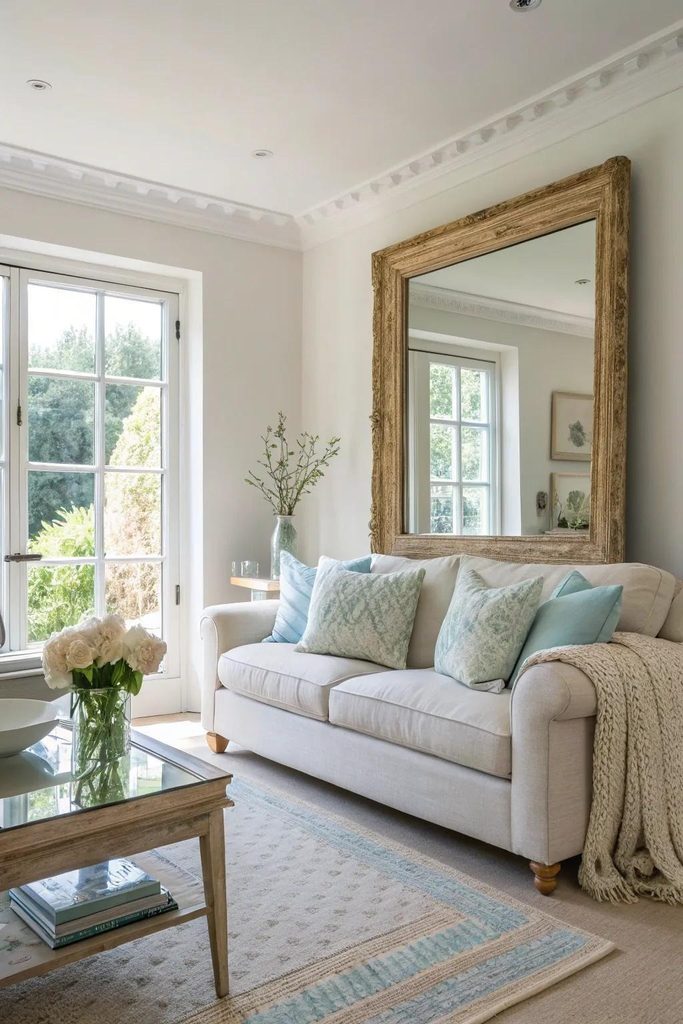
Mirrors can help create a brighter and more open visual impression in your home. Place one opposite a window or near a light source to reflect available light. A large mirror in a narrow hallway can add depth, while a decorative mirror above a console table can create an attractive focal point. Choose a shape and frame that match your interior style. Avoid placing mirrors where they create distracting reflections or interfere with privacy. Secure larger mirrors with appropriate mounting hardware. This affordable decor idea can add dimension without requiring structural changes.
26. Improve Your Home Office Setup
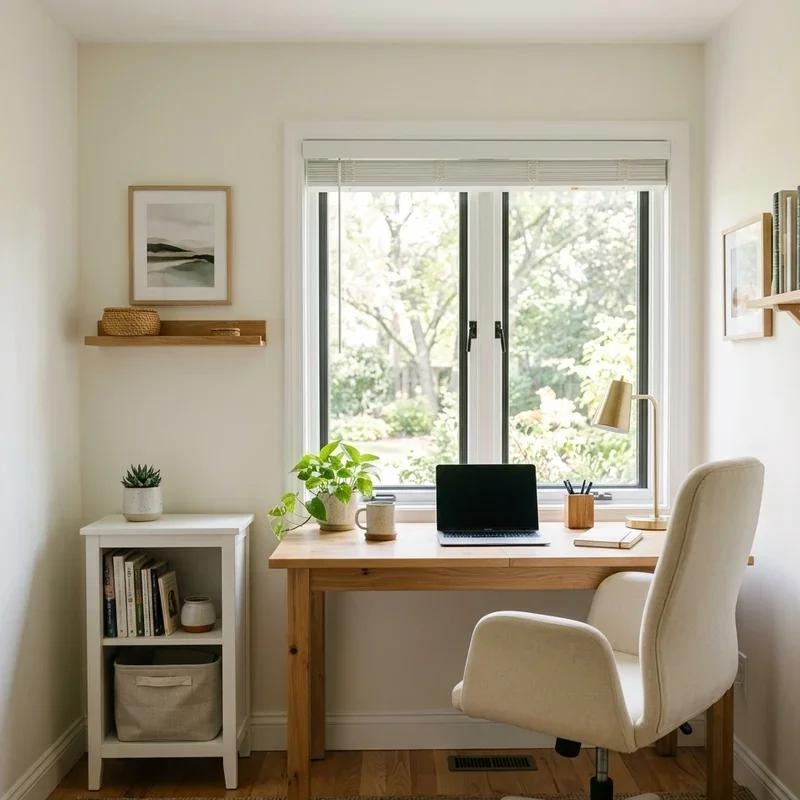
A comfortable home office can improve your daily productivity and make work or study more enjoyable. Start by clearing unnecessary items from your desk and organizing cables. Add a desk lamp, a supportive chair, or a simple monitor stand if needed. Position your workspace where lighting is comfortable and distractions are limited. Use wall shelves or small storage containers to keep supplies within reach. Avoid spending money on decorative items before addressing the basics, such as desk height, seating, and adequate lighting. A practical workspace can be created through small improvements rather than expensive furniture.
27. Replace Worn Door Hardware
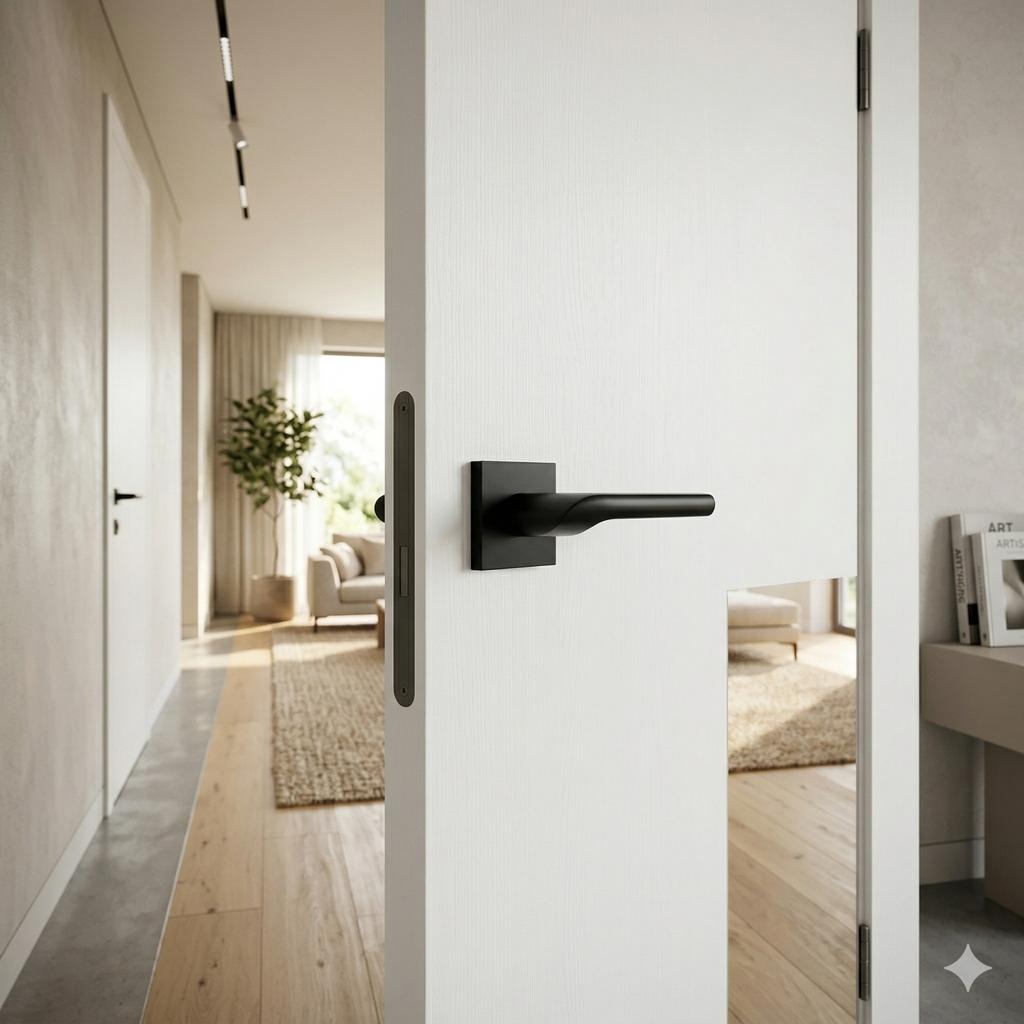
Old or damaged door handles can make your interior look less maintained. Replacing them with modern hardware is a relatively simple way to update doors throughout your home. Select handles that are compatible with your existing door preparation, lock type, and required function. For bathrooms and bedrooms, consider privacy hardware where appropriate. Measure before purchasing to avoid buying incompatible products. If a door lock or latch is not working correctly, address the underlying problem instead of focusing only on appearance. Coordinated door hardware can create a more consistent design across different rooms.
28. Build A Simple Entryway Drop Zone
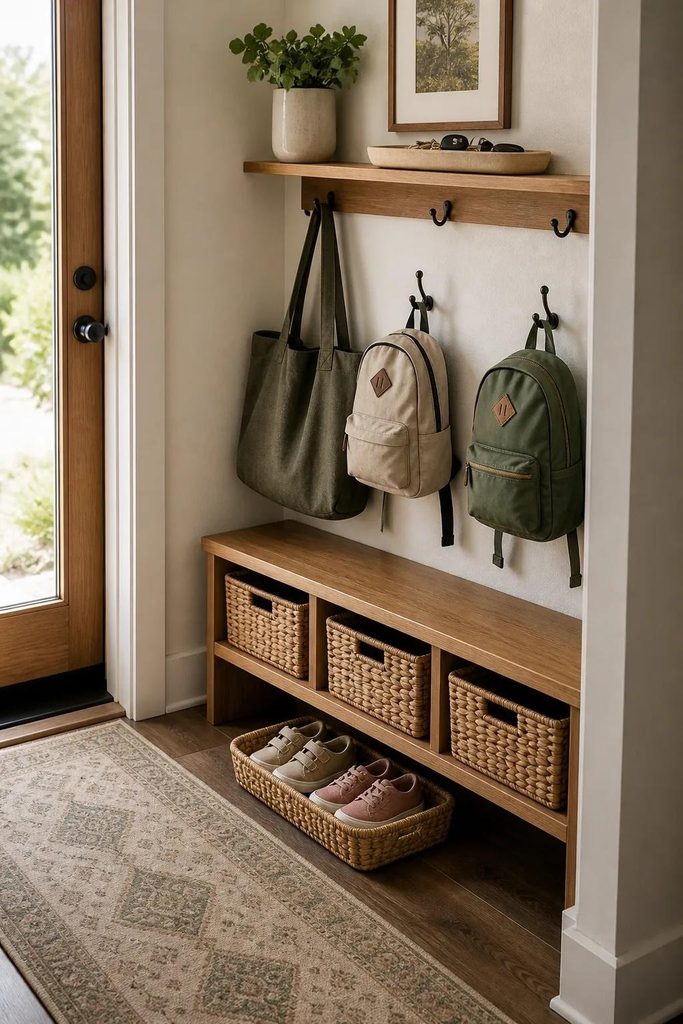
A drop zone helps keep everyday items organized as soon as you enter your home. Use a wall-mounted shelf, hooks, a small tray, or a basket to store keys, bags, mail, and other frequently used belongings. Select a location that is convenient but does not interfere with movement through the entryway. Keep the system simple enough that everyone in the household can use it. A small label or dedicated container for each category may improve consistency. This home organization idea reduces surface clutter and can make mornings and evenings easier.
29. Refresh Your Dining Area
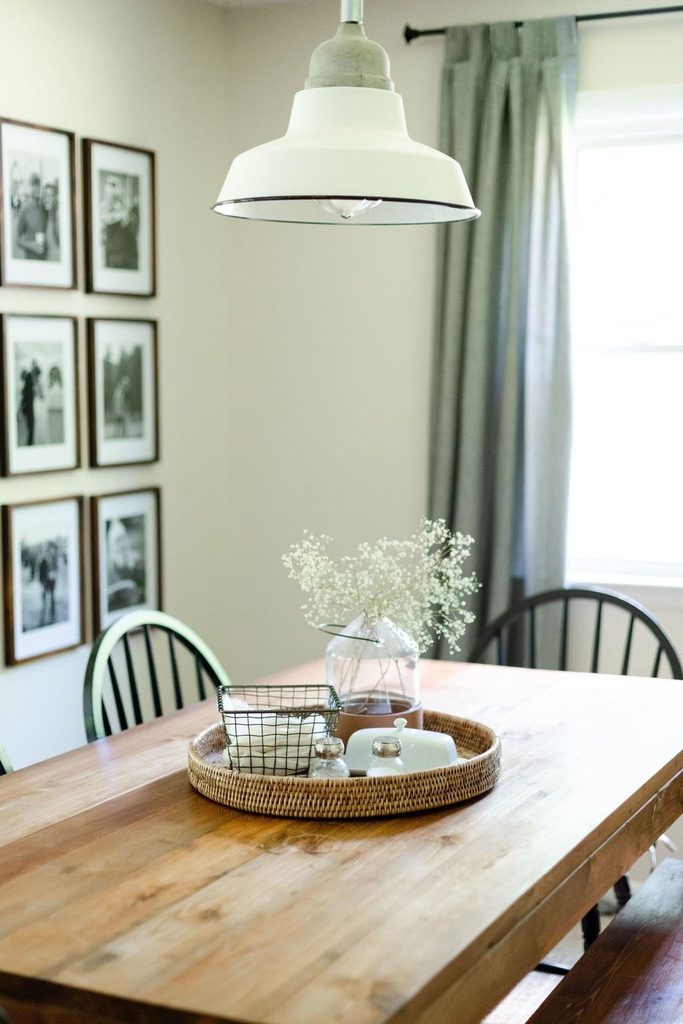
A few simple changes can refresh your dining room or dining corner. Start by cleaning the table and chairs, then consider adding a washable table runner, a centerpiece, or coordinated placemats. A vase with seasonal flowers or greenery can add color without taking up too much space. If your chairs are sturdy but look worn, consider new seat cushions or a compatible refinishing project. Keep the table usable for everyday meals, especially in smaller homes. Thoughtful dining room decoration can create a warm atmosphere for family meals and guests.
30. Use Peel-And-Stick Floor Tiles
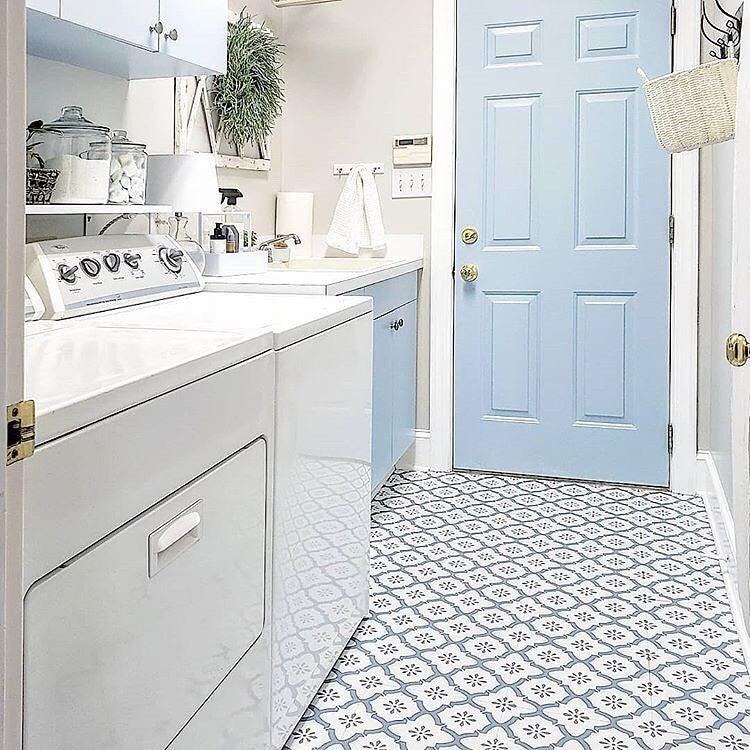
Peel-and-stick floor tiles can be an option for refreshing certain interior surfaces on a limited budget. They are available in patterns such as stone, wood, and geometric designs. Before installation, check whether the product is suitable for the room, especially if the area is exposed to moisture or heavy foot traffic. The existing floor should be clean, dry, and appropriately prepared. Follow the manufacturer’s guidance for installation and maintenance. Avoid treating these products as a universal replacement for properly installed flooring. For a temporary or cosmetic update, compatible tiles may offer a convenient alternative.
31. Create A Small Outdoor Seating Area

If you have a balcony, patio, or small outdoor area, create a comfortable seating corner using existing or affordable furniture. Add a weather-appropriate chair, a compact side table, and outdoor cushions designed for the conditions. Use potted plants to introduce greenery, and consider solar-powered decorative lights where suitable. Choose items that can withstand local weather and do not block drainage or access routes. Keep the layout practical and avoid overcrowding a small space. Even a simple outdoor arrangement can provide a pleasant area for relaxing, reading, or enjoying fresh air.
32. Improve Your Kitchen Storage
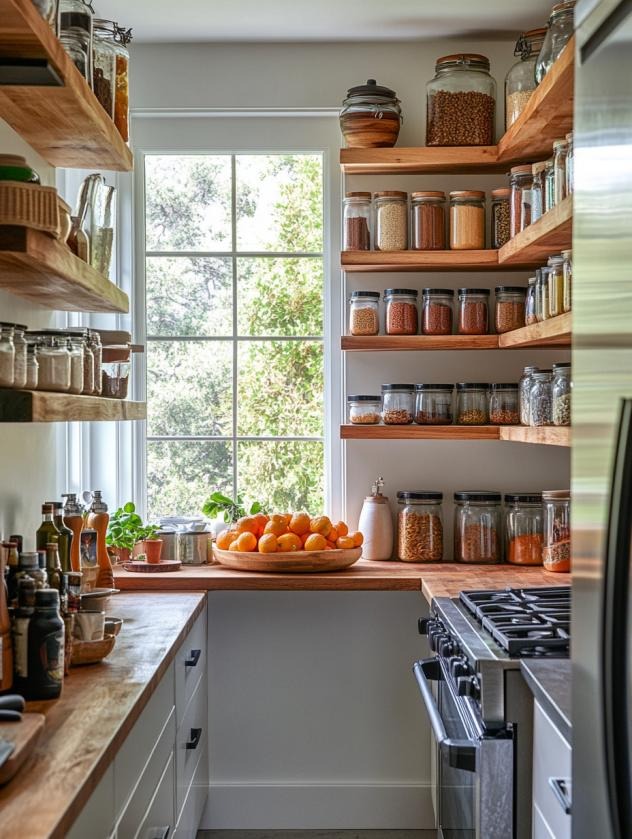
Efficient kitchen storage can make your cooking space feel cleaner and easier to use. Use drawer organizers, stackable containers, shelf risers, or wall-mounted storage where appropriate. Group similar items together, such as spices, baking supplies, and cooking utensils. Store frequently used products in convenient locations while keeping heavy items in suitable, stable storage areas. Avoid overcrowding countertops with appliances and containers. Before buying organizers, measure your cabinets and drawers to ensure that new products will fit. Small storage improvements can increase usability without changing the kitchen’s basic layout.
33. Add A Statement Ceiling Light
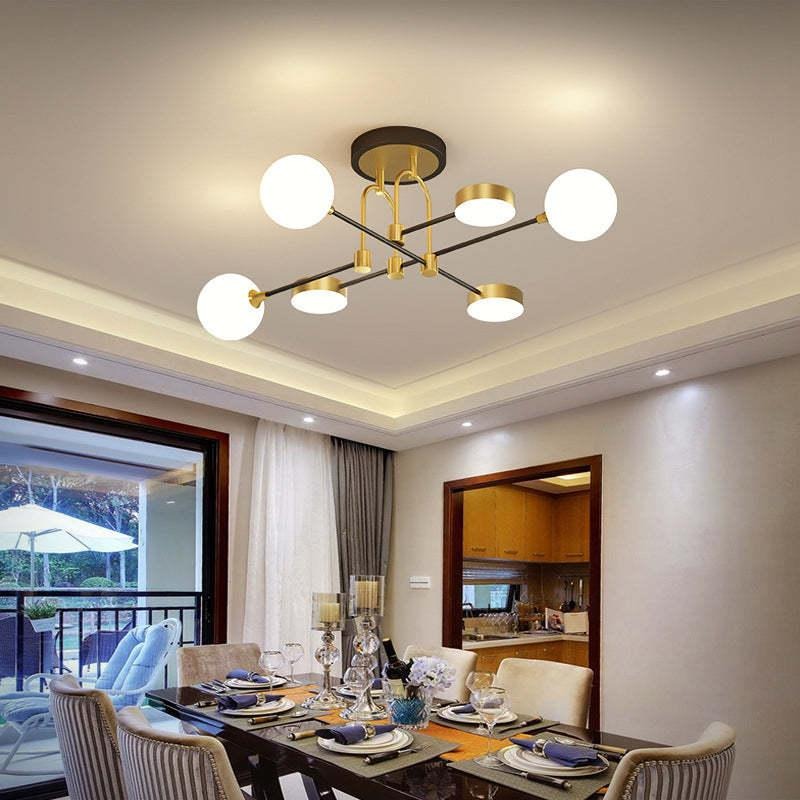
A statement ceiling light can change the visual character of a room while providing essential illumination. Look for affordable fixtures that complement your existing furniture and ceiling height. A simple pendant may work well above a dining table, while a flush-mount fixture can suit rooms with limited ceiling clearance. Check the fixture’s dimensions, bulb requirements, and compatibility with your electrical setup. Electrical connections and permanent fixture installation should be handled safely by a qualified professional when necessary. Choose a light that balances appearance, brightness, and practical use.
34. Improve Your Wall And Shelf Styling
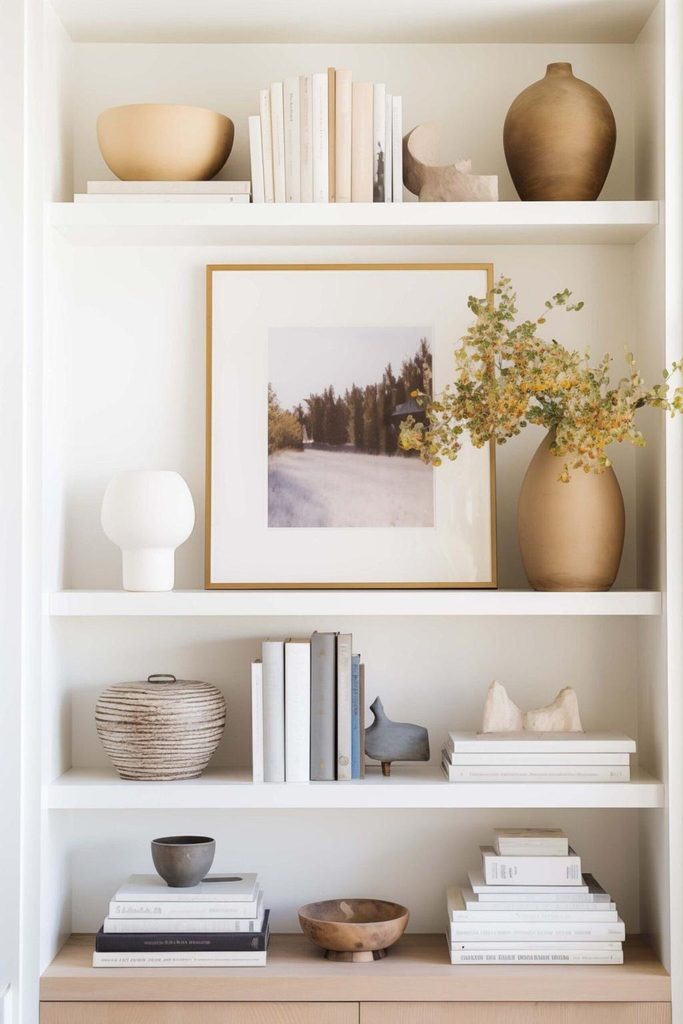
You can refresh your home’s appearance by restyling shelves, consoles, and other display surfaces. Start by removing everything and selecting only the items that complement your current design. Combine different heights, textures, and shapes using books, small vases, framed artwork, and decorative objects. Leave some empty space so the arrangement does not look crowded. Use a consistent color palette to create a more cohesive appearance. You do not need to buy new accessories; moving items between rooms or changing their arrangement can produce a fresh result at no cost.
35. Improve Your Home’s Cleanliness And Maintenance
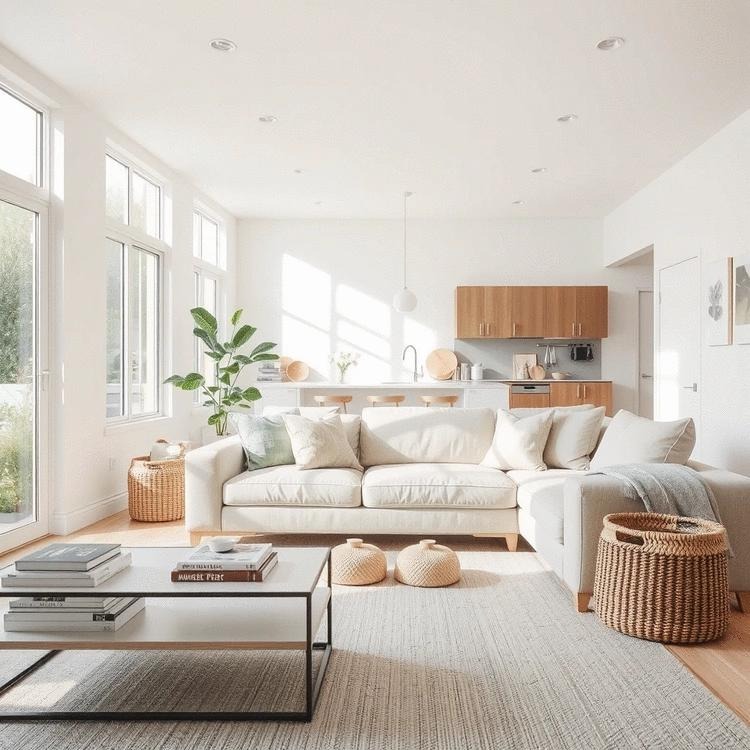
Some of the most valuable home improvements involve regular maintenance rather than purchasing new products. Clean ceiling fans, wash curtains, remove dust from baseboards, and check areas that are often overlooked. Repair small issues, such as loose cabinet hinges, damaged caulking, or squeaky doors, before they become more expensive problems. Use cleaning products that are appropriate for each surface and follow safety instructions. Create a simple maintenance schedule for different rooms. A clean and well-maintained home can feel fresher, more comfortable, and more inviting even when your decor remains unchanged.
How To Plan Affordable Home Improvements
Before starting any home improvement project, create a simple plan that matches your budget and priorities. Identify the rooms that need the most attention and decide whether your main goal is better organization, improved appearance, increased comfort, or practical repairs.
Start with low-cost improvements that can make a visible difference, such as decluttering, rearranging furniture, painting, or updating accessories. Compare prices from different retailers and measure your space before purchasing materials. Avoid buying products simply because they are trending. The best budget-friendly home improvements are those that solve a real problem and work well with your existing home.
Tips For Saving Money On Home Improvement Projects
- Set a realistic budget: Decide how much you can spend before starting.
- Prioritize essential repairs: Address safety and maintenance problems before decorative upgrades.
- Reuse existing furniture: Refresh old pieces instead of replacing them immediately.
- Compare material prices: Check different suppliers and consider product durability.
- Start with one room: Complete a manageable project before moving to another area.
- Choose versatile decor: Select items that can work in multiple rooms or styles.
- Avoid unnecessary waste: Measure surfaces and calculate material requirements carefully.
- Learn basic DIY skills: Take time to understand safe painting, assembling, and decorating techniques.
Common Home Improvement Mistakes To Avoid
Even affordable projects can become expensive when planning is overlooked. One common mistake is purchasing furniture or decorative items without measuring the available space. Another is choosing materials that are unsuitable for moisture, heat, or heavy use. For example, a product intended for dry indoor walls may not be appropriate for a bathroom or kitchen backsplash.
Avoid rushing through preparation, especially when painting, installing shelves, or refinishing furniture. Poor surface preparation can lead to uneven results and repeated expenses. You should also avoid making electrical or structural changes without the necessary expertise. A thoughtful approach helps you maintain quality while staying within your budget.
Final Thoughts On Affordable Home Improvement Ideas
Creating a beautiful home does not have to involve expensive renovations or major structural changes. These 35 affordable home improvement ideas demonstrate how small updates can improve your home’s appearance, comfort, and functionality. From refreshing walls and organizing storage to adding indoor plants and upgrading lighting, there are many ways to make your space feel new.
The key is to focus on improvements that suit your lifestyle, budget, and available space. Start with one or two manageable projects, use what you already own, and make thoughtful choices when purchasing new materials. Whether you are decorating a small apartment or updating a family home, consistent small improvements can help you create a space that feels comfortable, organized, and uniquely yours.