Minimalist home decor is about creating a space that feels calm, organized, and beautiful without using too many things. It focuses on simple furniture, neutral colors, natural light, and smart storage. A minimalist home can look stylish while remaining comfortable and practical for everyday life.
You do not need a large budget or a big house to enjoy minimalist interior design. Small changes, such as removing clutter, choosing simple decorations, and using soft colors, can make your home feel more peaceful.
In this article, you will discover 20 minimalist home decor ideas that can help you create a clean, cozy, and relaxing home. Whether you are decorating a small apartment, bedroom, living room, or entire house, these ideas will inspire you to design a space you love.
1. Choose A Neutral Color Palette
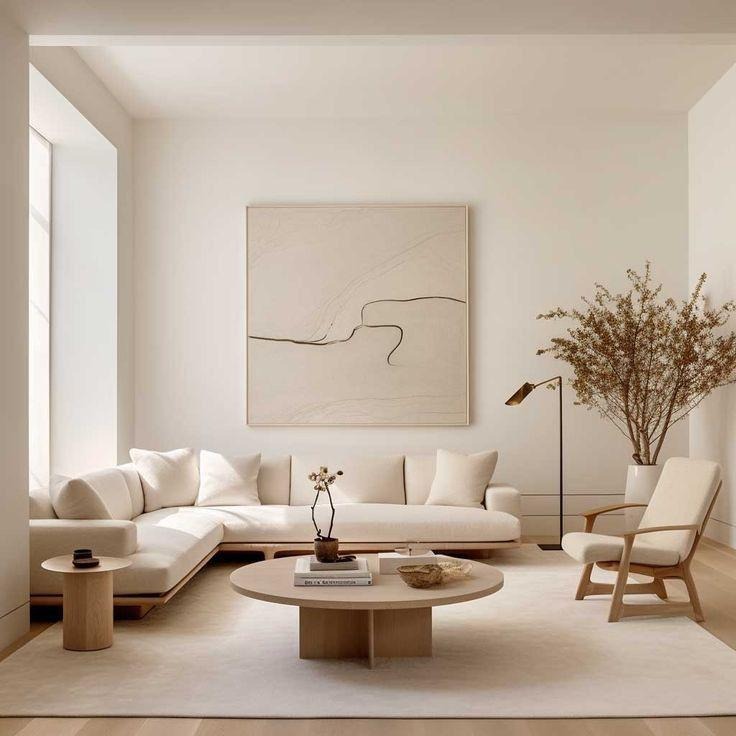
Neutral colors are a key part of minimalist home decor. Shades like white, beige, cream, gray, and soft taupe create a calm and open feeling. These colors also make rooms look brighter and help different furniture pieces work together.
You can use white walls with beige furniture or add soft gray curtains for a balanced look. If you prefer a warmer space, choose natural wood tones and cream-colored fabrics. Avoid using too many strong colors in one room. Instead, add one or two subtle accent colors through cushions, artwork, or plants.
2. Remove Unnecessary Clutter
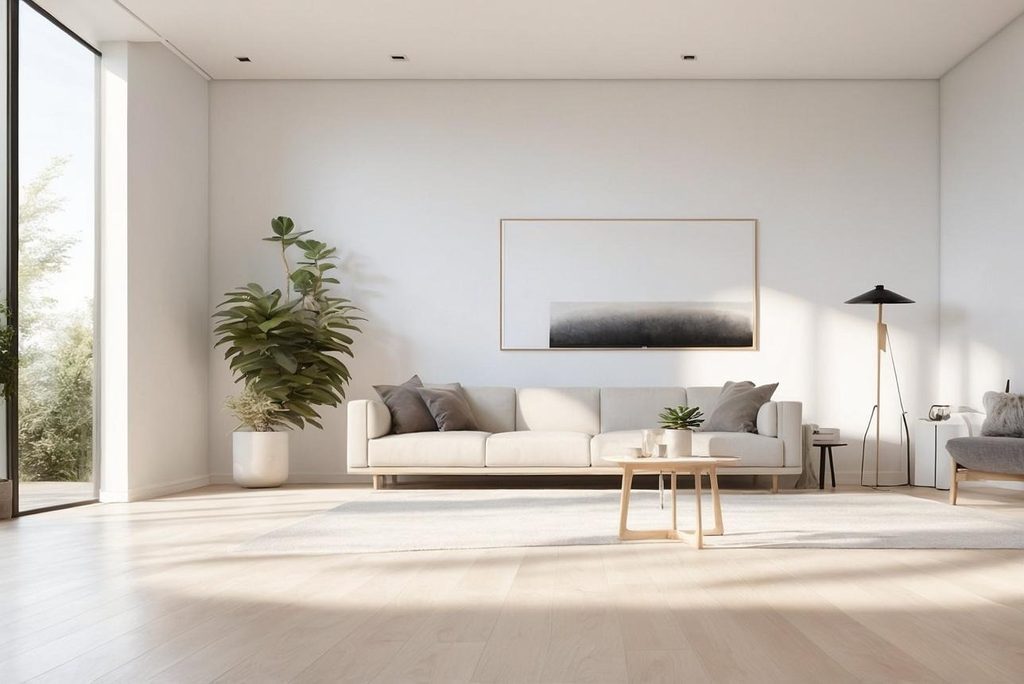
A clean home begins with less clutter. Too many objects on tables, shelves, and countertops can make a room feel busy. Minimalist decorating encourages you to keep items that are useful, meaningful, or genuinely enjoyable.
Start by clearing one area at a time. Remove unused decorations, old magazines, and objects you no longer need. Keep everyday essentials in their proper places. A simple room with a few carefully chosen items can feel more spacious and relaxing.
The goal is not to remove everything. The goal is to create a home where every item has a purpose.
3. Invest In Simple Furniture
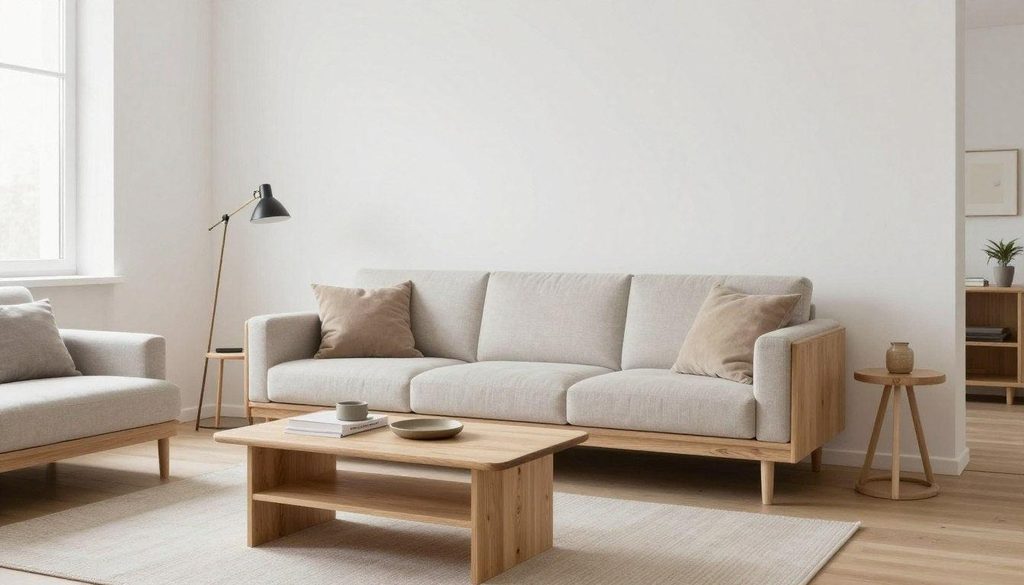
Furniture plays an important role in Minimalist interior design. Choose pieces with clean lines, simple shapes, and practical features. A comfortable sofa, a small coffee table, and a functional storage unit may be enough for a stylish living room.
Avoid filling your room with furniture that blocks movement or serves no clear purpose. Select furniture that matches the size of your space. Light-colored upholstery and natural wood can create a warm, welcoming atmosphere.
When shopping for furniture, focus on comfort, quality, and long-term use instead of following every trend.
4. Let Natural Light Fill The Room
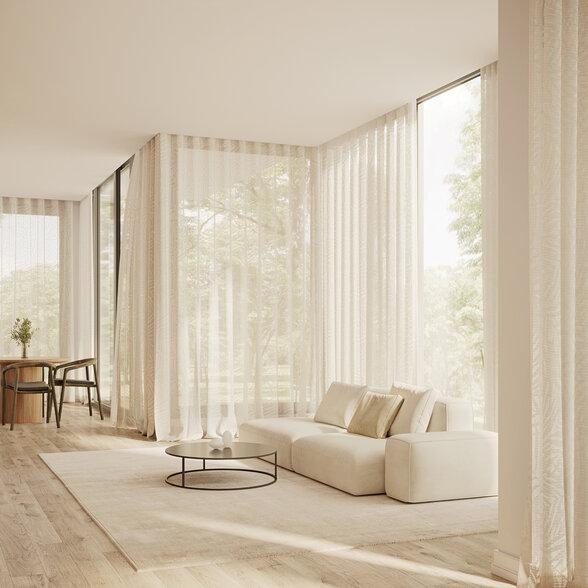
Natural light can make a minimalist home feel fresh and open. Large windows, light curtains, and uncluttered spaces allow sunlight to spread throughout the room. This creates a pleasant atmosphere during the day.
Use sheer white curtains or lightweight linen panels when privacy allows. Keep windows clear of unnecessary objects and choose furniture that does not block the light.
If your room has limited sunlight, use mirrors and light wall colors to help reflect available light. Combine natural light with warm artificial lighting for a comfortable evening environment.
5. Add Natural Wood Elements
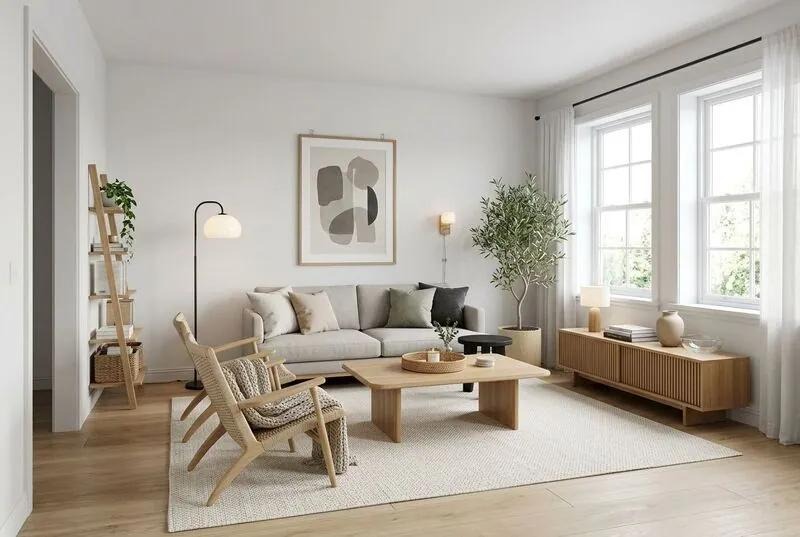
Natural wood adds warmth and texture to minimalist home decor. While white and gray can create a clean appearance, wood prevents the room from feeling cold or plain.
Consider adding a wooden coffee table, oak shelves, a small bench, or a simple dining table. Light wood works well in Scandinavian-inspired interiors, while darker wood can create a richer and more elegant look.
You do not need many wooden pieces. One or two well-chosen elements can add character and balance to a simple room. Combine wood with cotton, linen, or soft rugs for a cozy finish.
6. Use Smart Storage Solutions
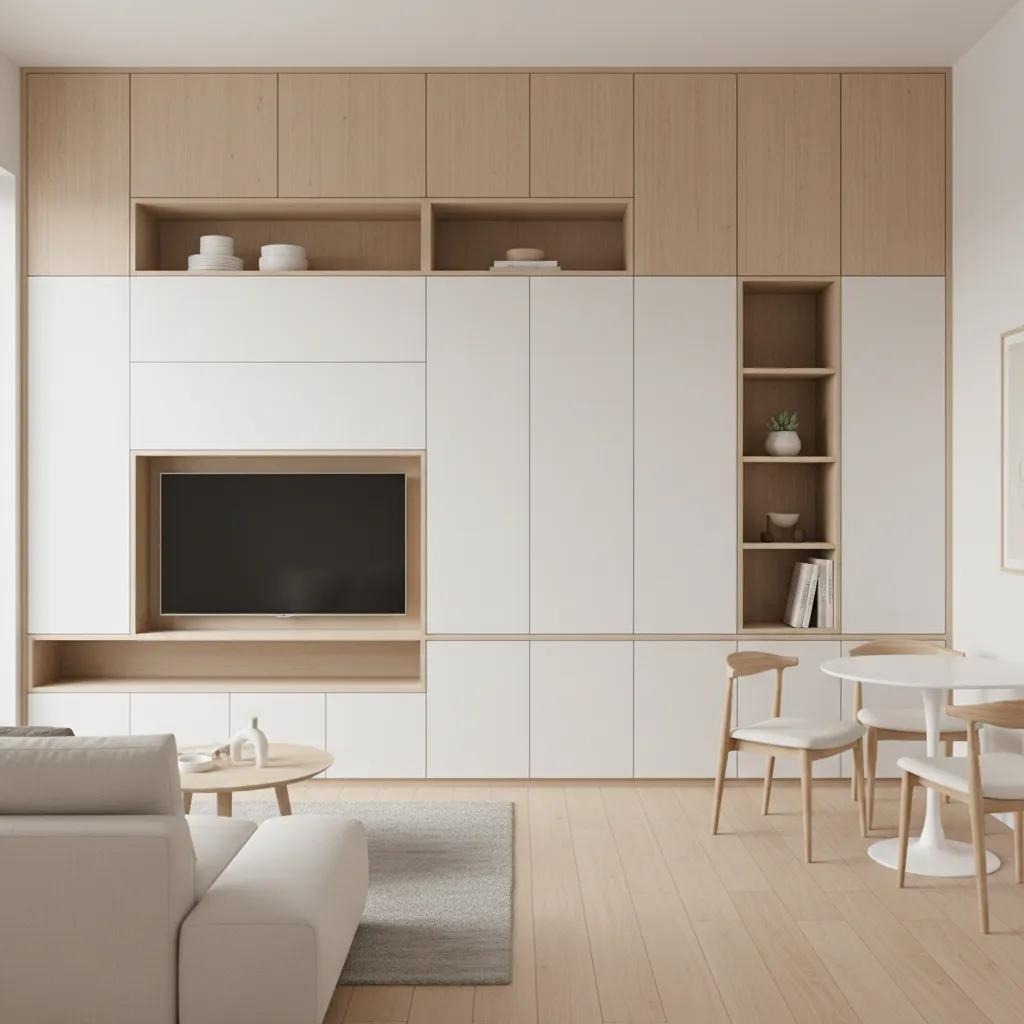
Smart storage is essential for maintaining a clean and peaceful home. Open surfaces can quickly become messy when everyday items do not have a designated place.
Use storage baskets, built-in cabinets, drawers, and multifunctional furniture to keep belongings organized. For example, an ottoman with hidden storage can provide seating while keeping blankets out of sight.
In small homes, use vertical space with wall-mounted shelves or tall cabinets. Choose storage that matches your walls or furniture to create a visually consistent appearance.
A good storage system makes cleaning easier and helps your home stay organized over time.
7. Create A Calm Minimalist Bedroom
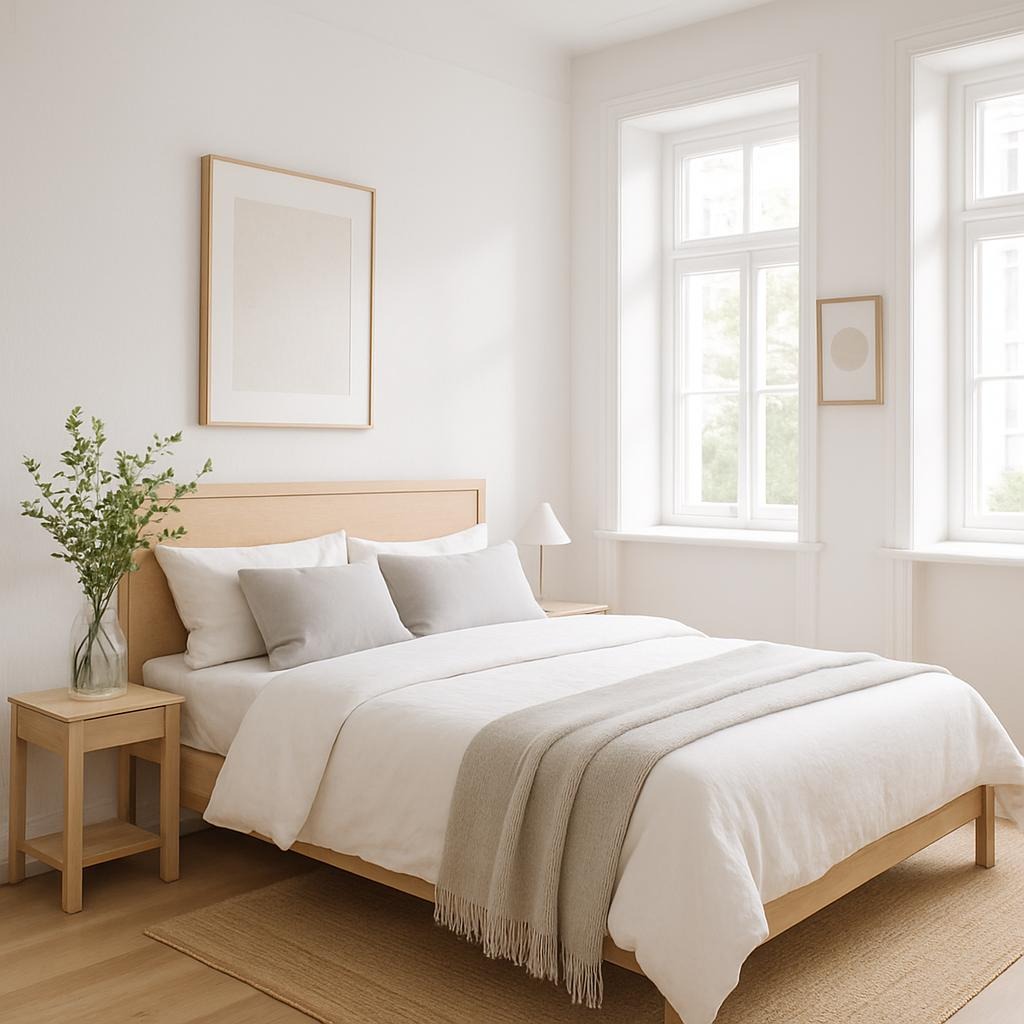
Your bedroom should feel comfortable and restful. Minimalist bedroom decor uses soft colors, simple furniture, and limited decorations to create a relaxing environment.
Choose comfortable bedding in white, cream, beige, or muted gray. Keep your bedside table free from unnecessary objects, and use soft lighting instead of bright overhead lights when relaxing.
A simple bed frame, a small nightstand, and a few carefully selected accessories can create an elegant bedroom. Avoid overcrowding the space with furniture that makes movement difficult.
The most important feature of a minimalist bedroom is comfort, not perfection.
8. Decorate With Indoor Plants
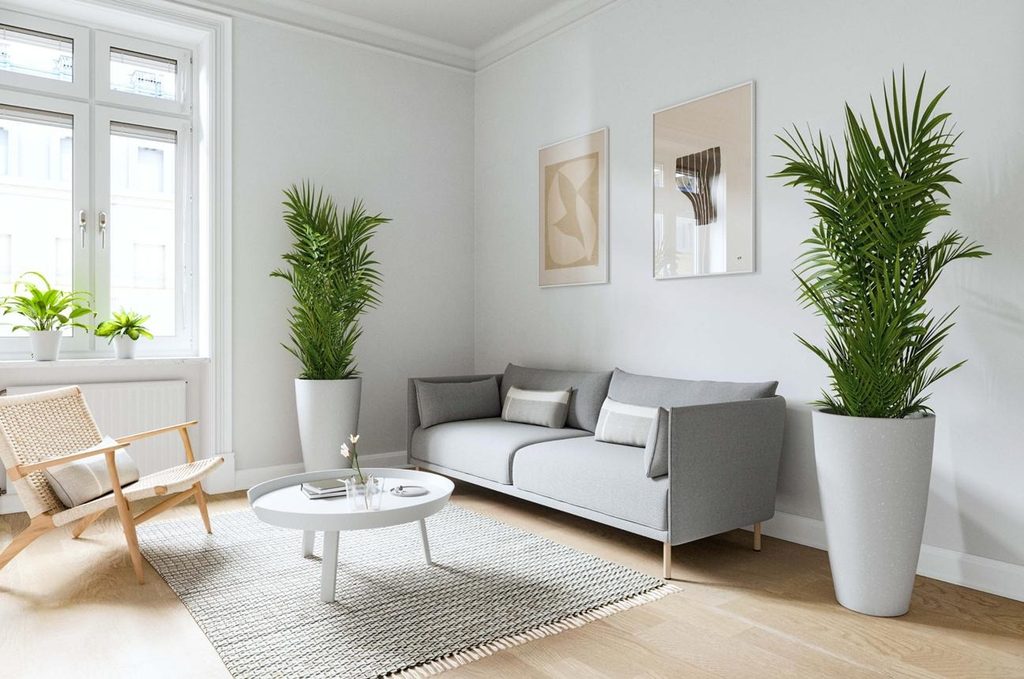
Indoor plants bring natural color and texture into minimalist spaces. They can make a simple room feel more welcoming without adding visual clutter.
Choose plants based on your room’s lighting and your ability to care for them. Options such as snake plants, pothos, and rubber plants may work well in suitable indoor conditions.
Use simple ceramic pots or natural baskets that match your decor. Place one larger plant in an empty corner or add a small plant to a shelf.
Remember that plants need appropriate light and care. Choose healthy plants that suit your environment rather than adding greenery only for decoration.
9. Choose Minimalist Wall Art
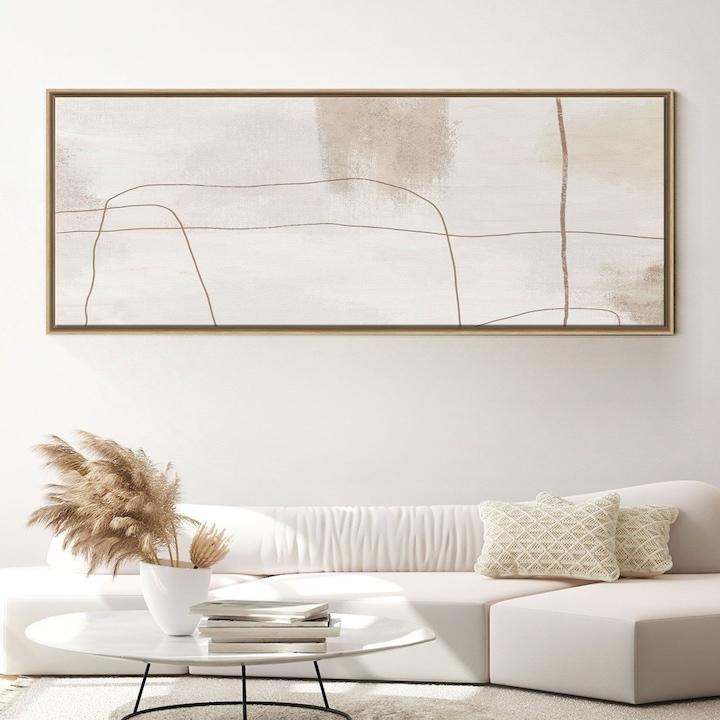
Wall art can add personality to a minimalist home without overwhelming the space. Instead of covering every wall with pictures, select a few meaningful pieces.
Abstract artwork, simple line drawings, nature photography, and neutral-toned prints can complement minimalist interiors. Choose artwork that works with your room’s existing colors and furniture.
A single large print above a sofa or bed can create a strong focal point. You can also arrange two or three smaller pieces in a balanced layout.
Keep the frames simple and leave enough empty wall space around the artwork for a clean appearance.
10. Use Soft And Layered Lighting
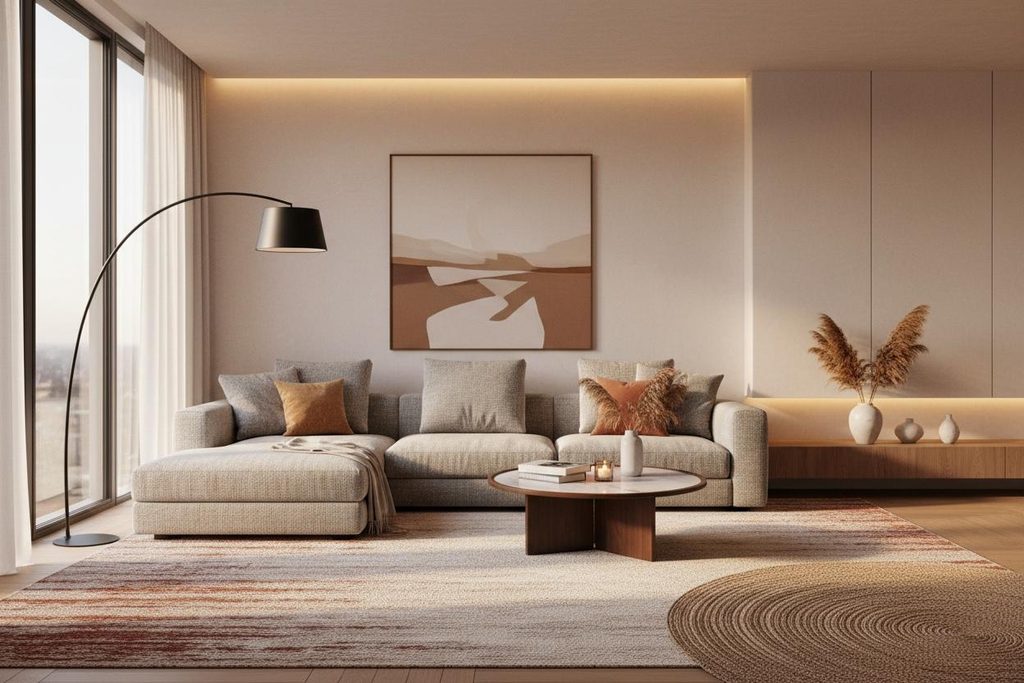
Lighting can change the entire mood of a room. A minimalist home looks more inviting when it combines different types of lighting instead of relying on one bright ceiling fixture.
Use a combination of ambient lighting, task lighting, and accent lighting. Floor lamps, table lamps, wall lights, and dimmable fixtures can help you create different moods.
Choose warm-white bulbs for living rooms and bedrooms if you prefer a cozy atmosphere. Add a reading lamp near a chair or a bedside light for practical use.
Simple lighting fixtures with clean shapes can also become attractive design features.
11. Keep Your Kitchen Countertops Clear
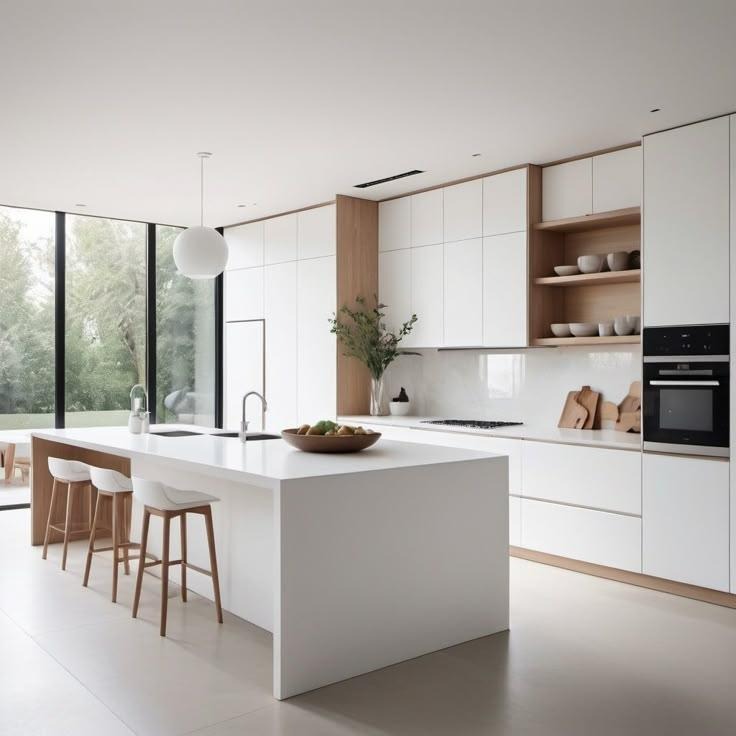
A clutter-free kitchen can make cooking and cleaning feel easier. Minimalist kitchen decor focuses on useful tools, organized storage, and clean surfaces.
Keep frequently used appliances accessible, but store items that you rarely use inside cabinets or drawers. Use matching containers for pantry staples if they help you stay organized.
Choose simple cabinet designs, neutral colors, and functional hardware. Open shelving can look attractive, but it requires regular organization to prevent a messy appearance.
A clear countertop does not mean you must hide everything. Keep useful everyday items within easy reach while avoiding unnecessary decoration.
12. Add Texture With Soft Fabrics
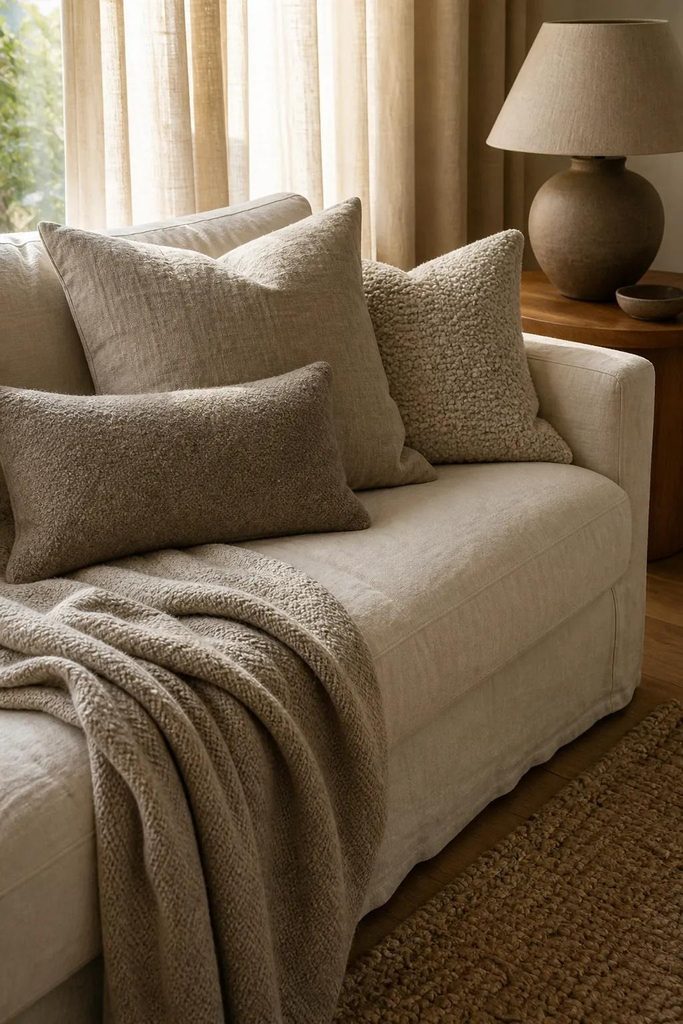
Minimalist rooms can sometimes feel too plain when they use only smooth surfaces and one color. Soft fabrics help add warmth, depth, and comfort.
Introduce texture through linen curtains, cotton cushions, woven blankets, and natural-fiber rugs. These materials create visual interest without requiring bold patterns or excessive decoration.
For a balanced look, combine different textures in similar colors. For example, pair a cream sofa with a beige woven rug and a soft knitted throw.
The key is to add enough texture to make your room comfortable while keeping the overall design simple.
13. Use Mirrors To Open Up Small Spaces
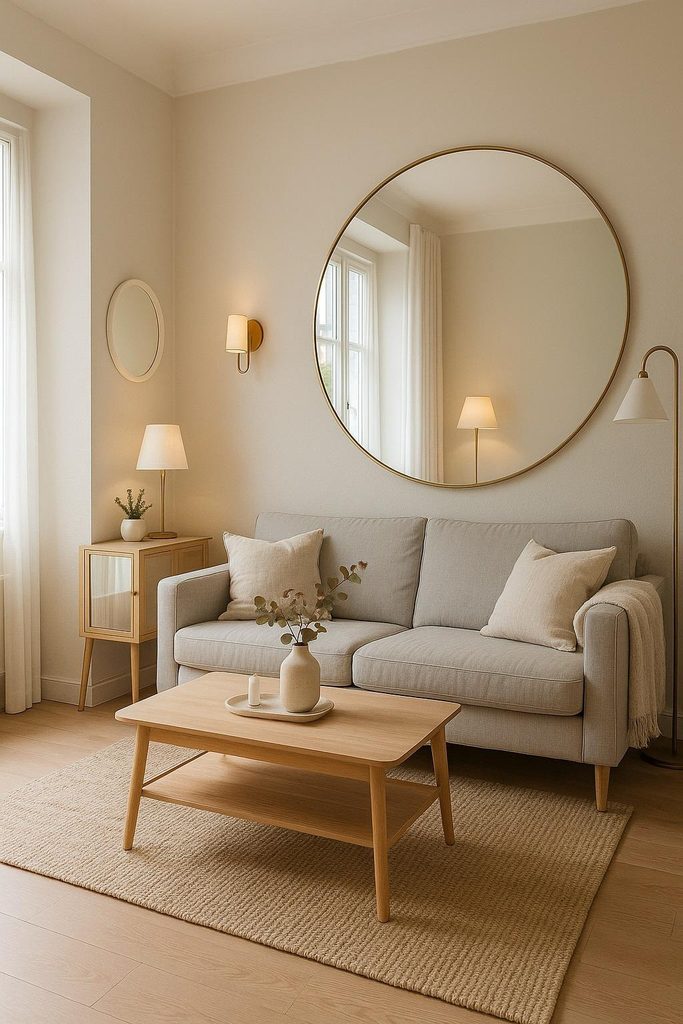
Mirrors are useful in minimalist home design, especially in small apartments and compact rooms. A well-placed mirror can reflect light and create a greater sense of visual openness.
Place a mirror opposite a window to reflect daylight, or use one near an entryway for practical purposes. Large mirrors can become a focal point, while smaller mirrors work well above consoles or bathroom vanities.
Choose a frame that matches your interior style. Simple black, wood, or frameless designs can complement a minimalist aesthetic.
Mirrors do not physically increase room size, but their reflection can influence how spacious the room feels.
14. Design A Simple Entryway
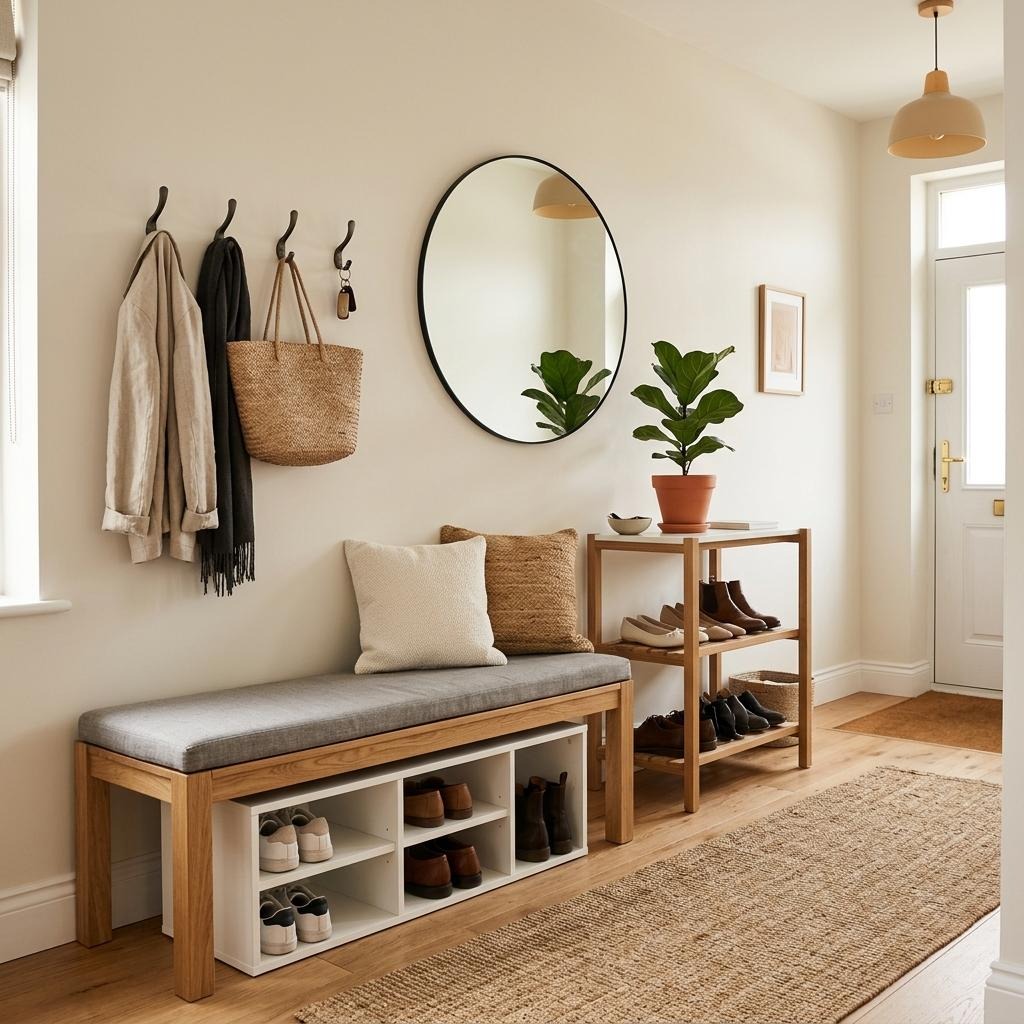
The entryway creates the first impression of your home. A simple and organized entrance can make your entire space feel more welcoming.
Add a small bench, a wall hook, or a narrow console if you have enough room. Use a basket or cabinet to store shoes, bags, and other daily essentials.
A mirror can provide practical value, while one plant or a small piece of artwork adds personality. Avoid placing too many objects near the entrance because this area can become cluttered quickly.
Design your entryway around everyday routines so it remains attractive and functional.
15. Choose Multifunctional Furniture
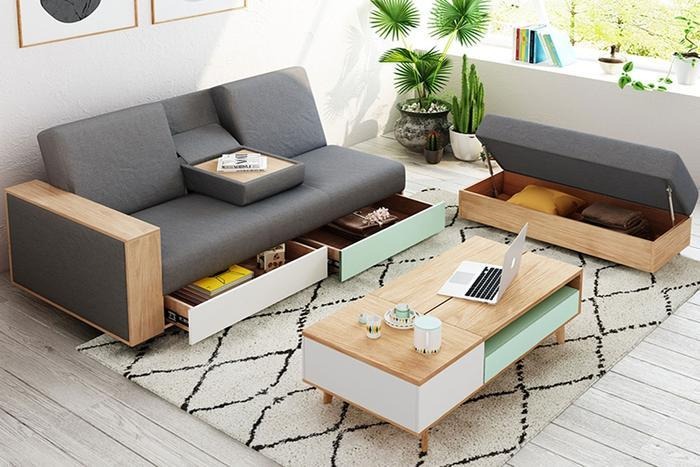
Multifunctional furniture is an excellent choice for minimalist homes, particularly when space is limited. These pieces combine practical uses and reduce the need for extra furniture.
Consider a storage bed, a foldable dining table, a nesting coffee table, or a sofa with hidden storage. Select options that genuinely fit your lifestyle and room dimensions.
Before buying, check the furniture’s size, durability, and ease of use. A product is not automatically practical just because it serves multiple purposes.
The right multifunctional furniture can help you save space while keeping your home comfortable and organized.
16. Create A Minimalist Bathroom
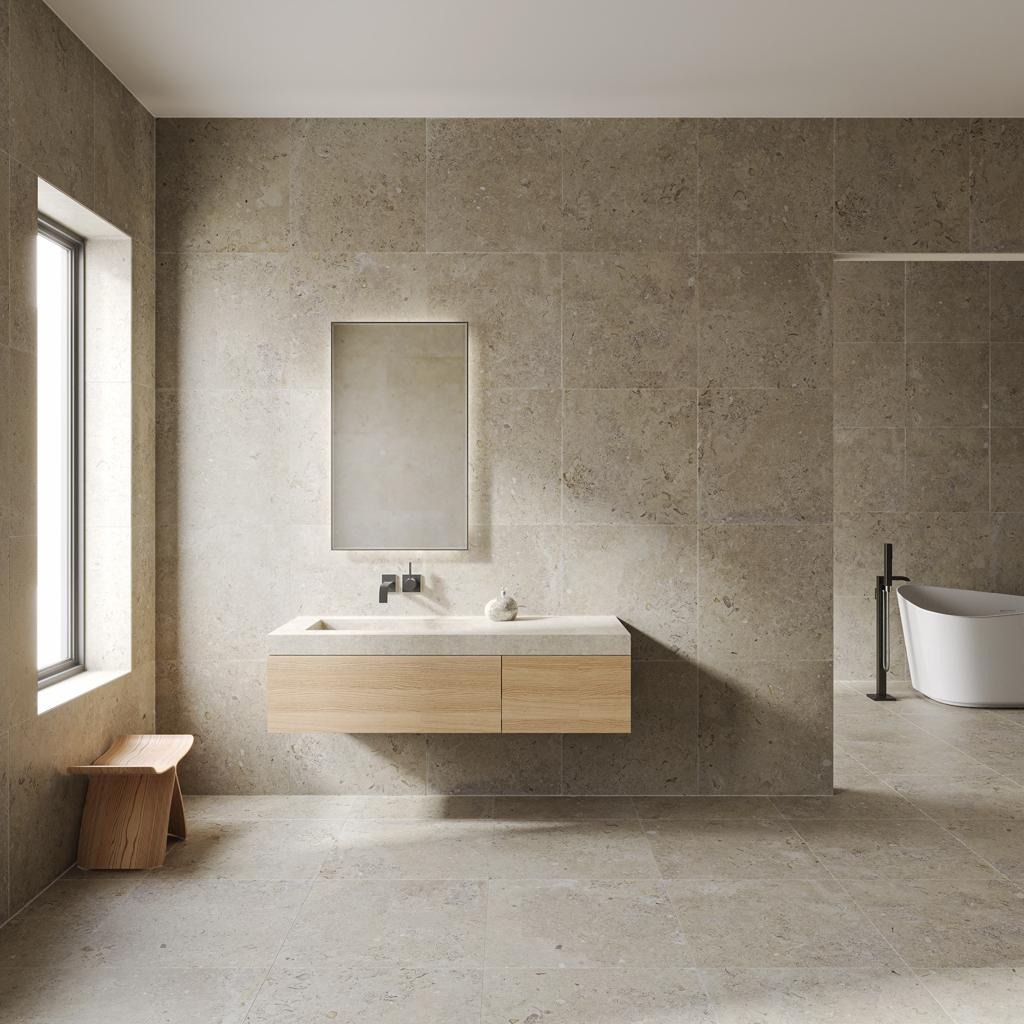
A minimalist bathroom uses simple colors, organized storage, and easy-to-clean surfaces. You can create a peaceful atmosphere with neutral tiles, a floating vanity, and minimal countertop accessories.
Store toiletries in drawers, cabinets, or attractive containers. Use matching towels and keep only frequently used items on display.
Natural textures such as stone, wood-look finishes, and soft fabrics can add warmth to the room. If you have a small bathroom, wall-mounted storage and a large mirror may help make the space feel more open.
Focus on practical layouts and easy maintenance when choosing bathroom decor.
17. Keep Decorations Meaningful
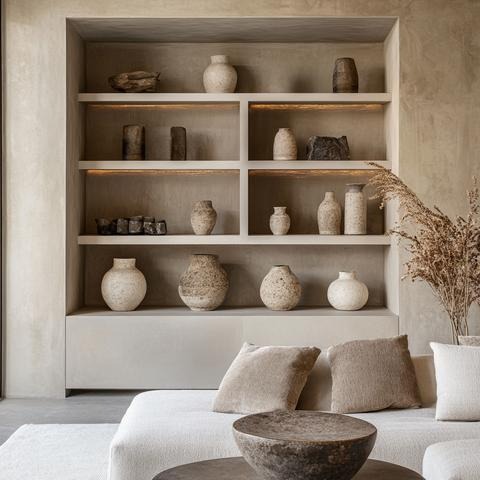
Minimalism does not mean your home must be completely empty. Meaningful decorations can make your space personal and inviting.
Choose objects that have sentimental value, reflect your interests, or add beauty to your room. A handmade vase, a framed photograph, a favorite book, or a small sculpture can become a thoughtful accent.
Instead of displaying every item you own, rotate decorations when you want a fresh look. Leave space between objects so each piece has room to stand out.
A home should reflect the people who live in it. Minimalist decorating is about intentional choices, not removing personality.
18. Use A Consistent Design Style
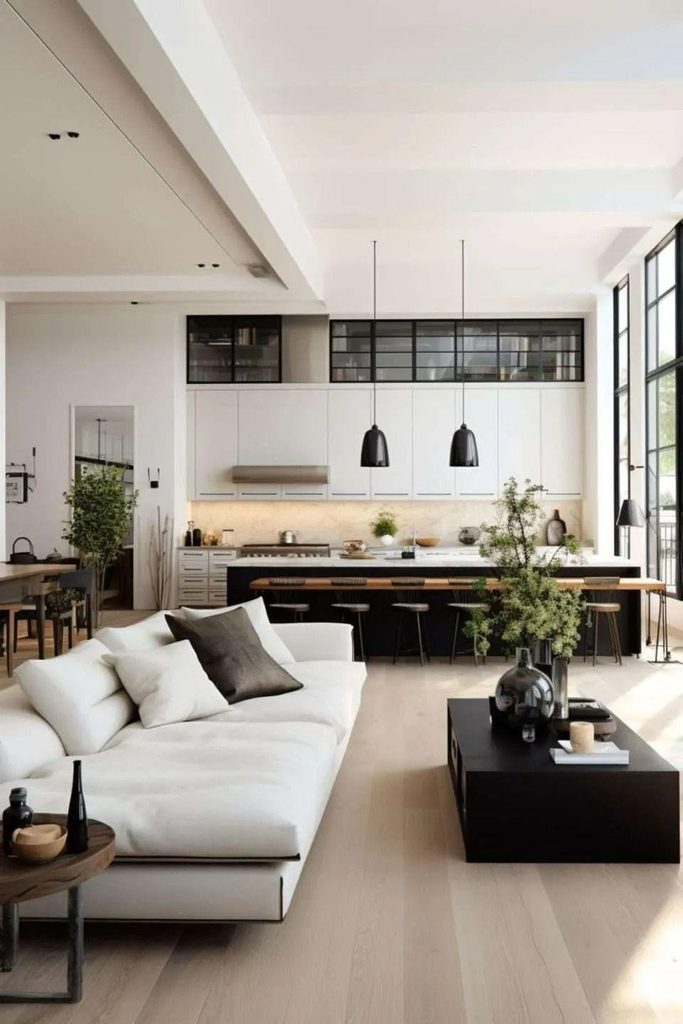
A consistent design style helps your home feel connected. When colors, materials, and furniture shapes work together, the rooms can look more harmonious.
Choose a small group of colors and repeat them throughout your home. For example, combine warm white, beige, light wood, and black accents.
You can also repeat similar materials, such as wood furniture or linen textiles, in different rooms. This creates visual continuity without making every room look identical.
Your home does not need to follow one strict style. Combine elements you love while maintaining a clear overall direction.
19. Create A Cozy Reading Corner

A reading corner can add comfort and purpose to an unused area. You do not need a large room to create a relaxing spot for reading, journaling, or quiet time.
Place a comfortable chair near a window or in a peaceful corner. Add a small side table, a warm floor lamp, and a soft cushion.
Choose furniture that fits the available space and does not block walkways. A compact chair or floor cushion may work well in a small apartment.
Keep the area simple so it feels relaxing rather than crowded. This corner can become one of the most enjoyable parts of your home.
20. Maintain A Simple Daily Cleaning Routine
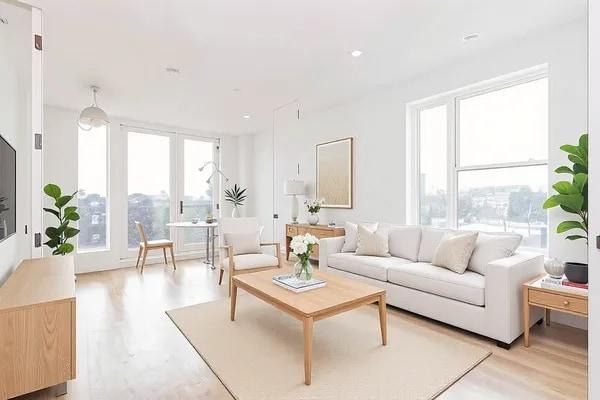
Minimalist home decor looks its best when your space is maintained regularly. Even a beautifully designed room can feel cluttered if items are left out and surfaces are not cleaned.
Create a simple daily routine. Return items to their designated places, clear kitchen counters, fold blankets, and remove visible rubbish. Spend a few minutes resetting each room before the end of the day.
You can also schedule a weekly decluttering session to review items that no longer serve a purpose. Small, consistent habits are often easier to maintain than occasional deep cleaning.
A peaceful home is not just about appearance. It is about creating an environment that supports your daily life.
How To Start A Minimalist Home Decor Makeover
You do not need to change your entire home at once. A gradual approach can help you create a design that feels natural and manageable.
Start with one room, such as your living room or bedroom. Remove unnecessary clutter, choose a simple color palette, and identify the furniture you actually need. Then introduce texture, lighting, and a few meaningful accessories.
Before purchasing new items, consider what you already own. Rearranging furniture, improving storage, and removing excess decorations can make a noticeable difference without a large budget.
Focus on function first, then add beauty through intentional design choices. This approach helps you create a home that remains practical and peaceful over time.
Common Mistakes To Avoid In Minimalist Interior Design
Minimalist decorating can become difficult when simplicity is treated as a strict rule. A home that is too empty may feel uncomfortable, while a home filled with decorative objects may lose its clean appearance.
Avoid buying furniture that is too large for your room. Do not choose every item in the same shade if it makes the space look flat. Also, avoid removing essential belongings simply to achieve a particular aesthetic.
Instead, find a balance between open space, comfort, and personal style. Use storage that works for your lifestyle, select durable materials, and keep decorations that have genuine value.
The best minimalist home is one that feels organized without sacrificing warmth or usability.
Benefits Of Minimalist Home Decor
Minimalist home decor offers several practical and visual benefits when it is designed thoughtfully.
- Less visual clutter: Fewer unnecessary items can make rooms feel calmer and easier to manage.
- Better organization: Smart storage helps keep everyday belongings in their proper places.
- Timeless appearance: Simple colors and furniture designs can work across different decorating trends.
- Efficient use of space: Multifunctional furniture and thoughtful layouts can support smaller homes.
- Easier maintenance: Fewer decorative items may reduce the time needed to dust and organize surfaces.
- Personal comfort: A well-planned home can support relaxation, movement, and daily routines.
The results depend on your layout, habits, and design choices. Minimalism is a flexible approach, not a guarantee that every space will require less work.
Final Thoughts On Minimalist Home Decor
Creating a clean and peaceful home does not require expensive furniture or a complete renovation. With the right minimalist home decor ideas, you can improve your space through thoughtful organization, neutral colors, natural materials, and comfortable furniture.
From choosing simple wall art to adding indoor plants, each design decision can contribute to a more balanced interior. Start with small changes that match your needs and gradually build a home that feels welcoming.
The most successful minimalist spaces combine function, comfort, and personal style. Whether you live in a small apartment or a spacious house, these 20 ideas can help you create an environment that feels beautiful, organized, and peaceful every day.